
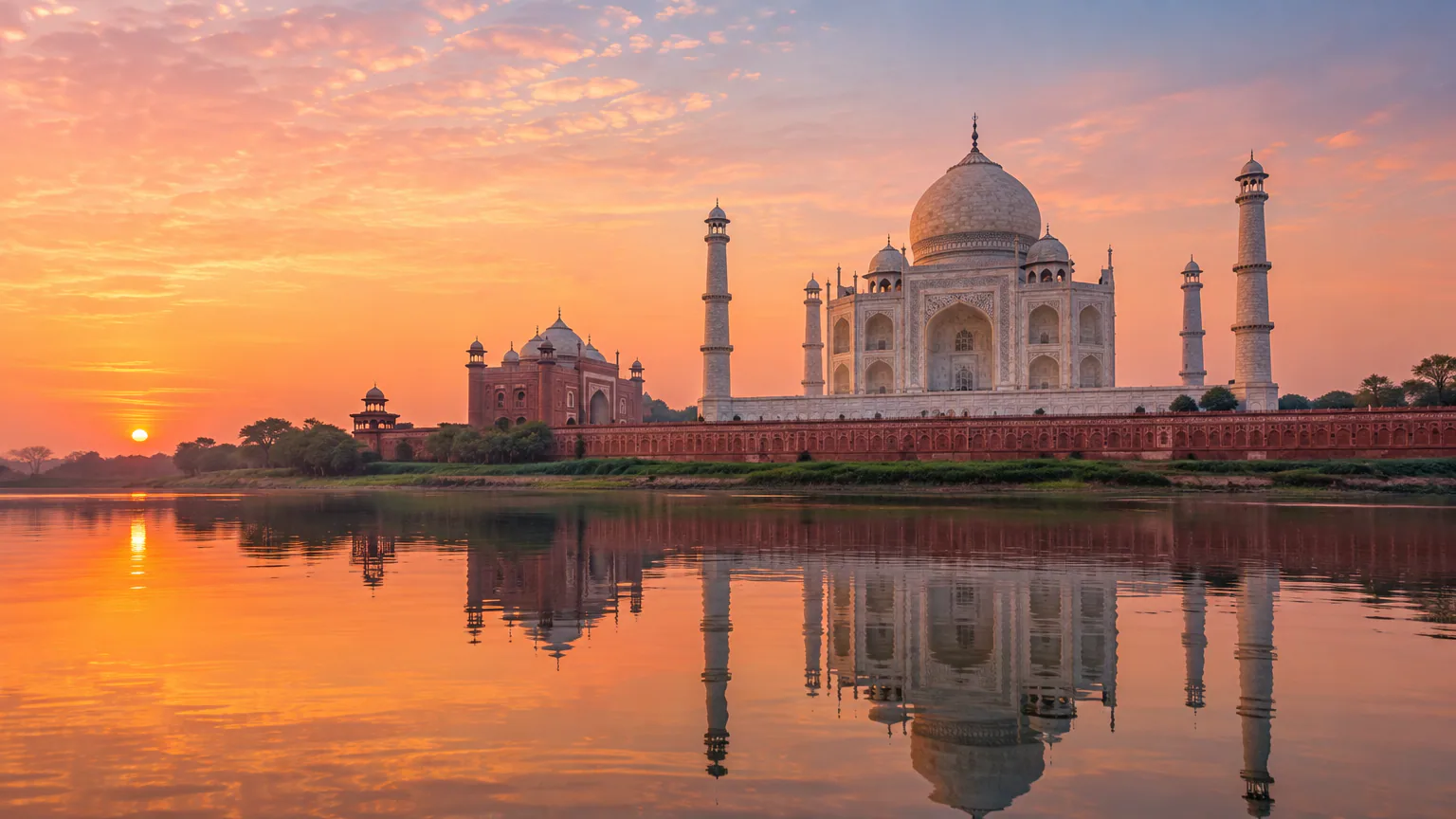
Your kind of escape packages
Start with one of these holiday ideas, then personalise the route, stays and pace with a specialist.
Holidays from₹19,000
Showing 1 of 1 holiday
Lucknow Heritage and Food 3 Nights: 2026 Culture Tour Package
From₹19,000per adult, twin sharing, land only
Why Uttar Pradesh for Heritage
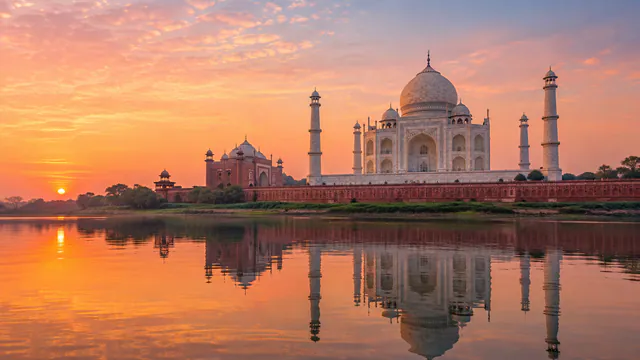
Uttar Pradesh suits heritage travel because it holds the Taj Mahal, Agra Fort, Fatehpur Sikri, the Bara Imambara in Lucknow and the Buddhist site of Sarnath near Varanasi in one state. It fits travellers who want Mughal, Awadhi and religious architecture on a single circuit rather than one monument city.
The state's heritage spread is unusually wide. Agra carries the Mughal core: the Taj Mahal, Agra Fort and the abandoned imperial capital of Fatehpur Sikri. Lucknow shifts the register to Awadhi nawabi architecture, with the Bara Imambara and the surrounding old city. Varanasi adds living heritage along the Ganga, and Sarnath, roughly 10 km away, marks where Buddha delivered his first sermon. Prayagraj's fort area and Allahabad Fort sit on the same river system. A heritage trip here is usually built as a circuit rather than a single-base holiday, which is why route planning matters more than hotel choice. Most first-time visitors pair Agra with either Lucknow or Varanasi; travellers with seven nights or more can link all three. The state recorded about 64.9 crore tourist visits in 2024, so the headline sites are busy and timed entry helps.
At a glance
Uttar Pradesh, in brief
A heritage-focused Uttar Pradesh trip works best at five to seven nights, travelling October to March, entering through Delhi for Agra or flying directly to Varanasi or Lucknow. Indicative land-only packages start around INR 18,000 per person on twin sharing for a budget circuit and rise with hotel category and private transport.
Uttar Pradesh.
5–7 nights
- Ideal trip length
- 5–7 nightsCovers Agra, Lucknow and Varanasi; 10–14 nights allows a slower heritage, pilgrimage and wildlife mix.
- Best season for this theme
- October to MarchNovember to February is the most comfortable window for outdoor monument sightseeing.
- Main gateways
- Delhi (for Agra), Varanasi and LucknowDelhi works as the road and rail entry for Agra; Varanasi and Lucknow have their own airports.
- Indicative budget basis
- From INR 18,000 per personLand-only, twin sharing, 4–7 night circuit, excluding flights and most monument tickets.
- Who it suits
- History-led travellers, families with older children, photographersLong same-day drives and summer heat are the main constraints.
- Core heritage cities
- Agra, Lucknow, Varanasi, Ayodhya, PrayagrajMathura–Vrindavan and Dudhwa extend the trip for temple and wildlife interests.
Signature experiences and places
The heritage case for Uttar Pradesh rests on named monuments and old-city quarters rather than scenery. The Taj Mahal, Agra Fort, Fatehpur Sikri, Bara Imambara, Sarnath and the Varanasi ghats each anchor a half-day or full day, and each has its own timing and entry rules.
- Agra
Taj Mahal
The Mughal mausoleum that defines the state's heritage identity and the single most requested site on any Uttar Pradesh heritage trip.
Best forFirst-time visitors, photographers at sunrise
It is generally closed to visitors on Fridays; confirm official ticketing and opening information before fixing the Agra day.
- Agra
Agra Fort
The red sandstone Mughal fort complex, usually paired with the Taj Mahal on the same day because both sit in the same city.
Best forMughal architecture, families
Allow two to three hours; the site is large and exposed, so morning visits are easier in warmer months.
- About 40 km from Agra
Fatehpur Sikri
The abandoned Mughal capital, visited as a half-day excursion from Agra rather than an overnight stop.
Best forArchitecture-focused travellers
Combine with the Agra day or slot it on the drive route; carry water as shade is limited.
- Lucknow
Bara Imambara
The centrepiece of Lucknow's Awadhi nawabi heritage, part of the old-city cluster that also includes the Rumi Darwaza area.
Best forAwadhi architecture, slow travellers
Pair with a walk through the surrounding old-city lanes rather than treating it as a standalone stop.
- About 10 km from Varanasi
Sarnath
The Buddhist site where Buddha delivered his first sermon, adding a religious-heritage layer to a Varanasi stay.
Best forBuddhist heritage, archaeology
Visit as a half-day from Varanasi; it is quieter than the ghats and suits an early start.
- Varanasi
Varanasi ghats
The riverfront steps along the Ganga that function as living heritage rather than a ticketed monument.
Best forLiving heritage, photography
Walk a short stretch at dawn instead of attempting the full ghat line; footwear that is easy to remove helps.
- Prayagraj
Allahabad Fort area
The fort and river confluence zone that anchors Prayagraj's heritage and pilgrimage identity.
Best forPilgrimage-linked heritage
Add Prayagraj only if the itinerary already has seven nights or more, as it stretches the circuit.
- Ayodhya
Ayodhya
A major temple and pilgrimage city that pairs naturally with Lucknow on a central Uttar Pradesh leg.
Best forTemple heritage, pilgrimage
Expect heavy footfall around major festival dates; book stays well ahead if travelling then.
Plan around opening hours and closures rather than trying to fit everything into one day per city. The Taj Mahal is generally closed to visitors on Fridays, so build Agra around that.
Routes and durations compared
Heritage circuits in Uttar Pradesh are usually built as four-night, seven-night or ten-night routes, with Agra as the fixed anchor and Lucknow, Varanasi or Ayodhya added by available time. Longer routes reduce same-day driving but need more hotel changes.
4-night Agra and Lucknow heritage route
Best forShort breaks and first-time visitors with limited leave
StrengthsCovers the Taj Mahal, Agra Fort, Fatehpur Sikri and Lucknow's Awadhi monuments with manageable travel between two cities.
Trade-offsNo Varanasi, so the Ganga ghats and Sarnath are left out; pace is tight if Fatehpur Sikri is included.
7-night Agra, Lucknow and Varanasi circuit
Best forThe standard heritage trip covering Mughal, Awadhi and riverfront heritage
StrengthsBalances monument sightseeing with old-city time and allows a Sarnath half-day; suits families with older children.
Trade-offsInvolves at least two long internal transfers, so it needs private transport or well-timed trains.
10-night heritage, pilgrimage and wildlife route
Best forTravellers adding Ayodhya, Prayagraj or Dudhwa to the core circuit
StrengthsSlower days, fewer same-day drives and room for temple cities plus a Dudhwa safari leg.
Trade-offsHigher cost and more hotel changes; needs careful sequencing to avoid backtracking.
Choose the shortest route that still covers your must-see sites. Adding a city is easy; removing one mid-trip is not.
Indicative budgets and hotels
Indicative starting prices for Uttar Pradesh heritage packages on this page run from INR 14,000 per person, with the catalogue bands spanning budget, mid-range and premium. These are indicative starting prices per person, not confirmed Tripstor offers, and the exact basis differs by package.
Budget
Short heritage breaks focused on Agra and one more city
- Standard hotels and simpler transport
- Core monument sightseeing
- Fewer included meals and transfers
Mid-range
The standard Agra, Lucknow and Varanasi heritage circuit
- Better-located hotels
- Private or semi-private transfers
- More included sightseeing time
Premium
Travellers wanting river-view rooms, heritage-style stays and private guides
- Heritage and river-view room categories where available
- Private guides and skip-the-line arrangements where offered
- More flexible pacing across cities
The bands below reflect the packages listed on this page. Nights, room sharing and whether flights are included vary by package, so treat each figure as a starting point for comparison rather than a final quote. Operator-market estimates for a typical 4–7 night land-only circuit on twin sharing sit around INR 18,000 budget, INR 32,000 standard, INR 55,000 premium and INR 95,000 luxury, excluding flights and most monument tickets.
What's Included in Our Heritage Packages
A well-built Uttar Pradesh heritage package should cover accommodation, inter-city transport, a vehicle with driver for monument days and at least some guided sightseeing. Monument tickets, flights, most meals and festival surcharges are usually excluded and need confirming before booking.
What’s included
6 itemsProposedaccommodation for the stated number of nights on the sharing basis confirmed in the package
Proposedinter-city transport between Agra, Lucknow, Varanasi or other listed cities by the mode stated in the package
Proposeda vehicle with driver for monument and old-city sightseeing days
Proposedguided or assisted sightseeing at core heritage sites where the package specifies it
Proposeddaily breakfast where the hotel plan states it
Proposedassistance with monument ticketing arrangements where the package offers it
Not included
6 itemsProposed exclusiondomestic flights to and from the gateway city
Proposed exclusionmonument and site entry tickets unless the package states otherwise
Proposed exclusionmost lunches and dinners
Proposed exclusionfestival-period surcharges, including Holi, Diwali and Dev Deepawali dates
Proposed exclusionpersonal expenses, shopping and optional activities
Proposed exclusionDudhwa safari charges and internal flights where the route includes them
The list below is proposed scope for this theme and requires confirmation against the specific package you choose. Inclusions vary by band and by route length.
Best time for this theme
October to March is the best window for a Uttar Pradesh heritage trip, with November to February offering the most comfortable conditions for outdoor monument sightseeing. April to June is hot and best avoided for fort and ghat walking, while July to September brings monsoon rain.
January
Best time to goCool and dry; mornings can be foggy in the plains
Strong month for Agra and Lucknow monuments; allow for fog delays on road and rail transfers.
February
Best time to goComfortable and dry, warming towards the end of the month
One of the most balanced months for fort, tomb and ghat sightseeing.
March
Good time to goGetting warmer; still workable with early starts
Schedule outdoor sites in the morning and keep afternoons for indoor or shaded stops.
April
Shoulder seasonHot across the plains
Only for travellers who can keep sightseeing to early mornings and evenings.
May
Not recommendedPeak heat in Agra and the plains
Not suited to monument-heavy days; indoor and early-morning plans only.
June
Not recommendedVery hot ahead of the monsoon
Poor fit for this theme; heat limits time at open sites.
July
Shoulder seasonMonsoon rain begins
Fewer crowds but wet conditions affect fort and ghat walking.
August
Shoulder seasonMonsoon continues
Workable for indoor monuments; expect rain interruptions.
September
Good time to goRain easing, humidity still high
A shoulder option if you accept residual humidity and occasional showers.
October
Best time to goPost-monsoon, clearing and comfortable
Season opens; good conditions for the full Agra, Lucknow and Varanasi circuit.
November
Best time to goCool, dry and clear
Peak heritage month; book hotels and guides well ahead.
December
Best time to goCool and dry; cold mornings in the north
Excellent sightseeing weather; expect holiday-period demand and higher rates.
- BestJan, Feb, Oct, Nov, Dec
- GoodMar, Sep
- FairApr, Jul, Aug
- AvoidMay, Jun
Use the month-by-month view below to match your dates to crowd and price levels. Ratings reflect suitability for monument-heavy heritage travel specifically, not for pilgrimage or wildlife.
Traveller tips
Heritage travel in Uttar Pradesh rewards planning around closures, heat and crowd flow. The five tips below cover the practical points that most affect a monument-focused itinerary, from the Taj Mahal's Friday closure to dress rules at religious sites.
- Check the Taj Mahal Friday closure first
The Taj Mahal is generally closed to visitors on Fridays. Build the Agra leg around that before booking trains or hotels, and confirm official ticketing and opening information closer to travel.
Planning - Front-load outdoor sites into mornings
Agra Fort, Fatehpur Sikri and the Varanasi ghats are all exposed. From March onwards, schedule them early and keep afternoons for indoor monuments or travel between cities.
Weather - Dress and behave for religious sites
Wear modest clothing covering shoulders and knees, carry footwear that is easy to remove, and follow site-specific rules on leather items, photography and bags at temples and pilgrimage sites.
Etiquette - Choose trains or a car with driver for inter-city legs
Use fast or overnight trains where schedules suit, or hire a car with driver for flexible multi-stop routing. Flying is most useful for longer-distance entry and exit rather than short hops.
Transport - Keep the circuit tight to avoid backtracking
Agra, Lucknow and Varanasi sit far apart. Sequence them in one direction and add Ayodhya or Prayagraj only when the itinerary already has seven nights or more.
Route
These are specific to this theme and state, not generic packing advice.
From idea to itinerary, with a real person.
- Share your plan
Dates, departure city, travellers and the moments you’d love. It only takes a minute.
- Shape it with a specialist
A real person refines the route, stays and pace with you. Change anything.
- Review your quote
A clear, personalised quote with confirmed inclusions. No payment to enquire.
Before you go
Straight answers to help you plan — then personalise the trip with a specialist.
8 answered belowAsk a specialist anything about this trip — there’s no obligation.
Ask a specialistWhat is the best time to visit Uttar Pradesh for heritage sites?
October to March is generally best, with November to February offering the most comfortable sightseeing weather for forts, tombs and ghats. Avoid peak summer heat from April to June unless the itinerary is mainly indoor or early-morning, and expect monsoon rain from July to September.
How many days are enough for a Uttar Pradesh heritage trip?
Five to seven days cover Agra, Lucknow, Varanasi and one of Ayodhya or Mathura. Ten to fourteen days allow a slower heritage, pilgrimage and wildlife itinerary. Shorter four-night routes usually limit you to Agra plus one other city.
What are the best heritage places to visit in Uttar Pradesh?
Agra, Varanasi, Lucknow, Ayodhya, Mathura–Vrindavan and Prayagraj are the core package destinations. Agra carries the Taj Mahal, Agra Fort and Fatehpur Sikri; Lucknow has the Bara Imambara; Varanasi adds the ghats and Sarnath. Dudhwa suits travellers adding wildlife.
How much does a Uttar Pradesh heritage package cost?
Indicative starting prices on this page run from INR 14,000 per person, with catalogue bands up to INR 36,000 per person. These are indicative starting prices, not confirmed offers, and the exact basis differs by package. Operator-market estimates for a 4–7 night land-only circuit sit around INR 18,000 budget to INR 95,000 luxury.
Is Uttar Pradesh safe for tourists?
The principal tourist circuits are widely travelled, but visitors should use reputable transport, protect belongings in crowds, follow local dress and photography rules, and avoid isolated areas after dark. No destination is universally safe, so standard precautions apply across Agra, Lucknow and Varanasi.
How do I travel between Agra, Lucknow and Varanasi?
Use fast or overnight trains where schedules suit, or hire a car with driver for flexible multi-stop routing. Flying is most useful for longer-distance entry and exit rather than short hops. Confirm train timings and transfer times before locking the itinerary.
Is the Taj Mahal closed on any day?
The Taj Mahal is generally closed to visitors on Fridays. Confirm the official ticketing and opening information before finalising the itinerary, and plan the Agra leg around that closure rather than assuming daily access.
What should I wear in Uttar Pradesh temples and pilgrimage sites?
Wear modest clothing covering shoulders and knees, carry footwear that is easy to remove, and follow site-specific rules on leather items, photography and bags. These rules apply at temples and pilgrimage sites in Varanasi, Ayodhya and Mathura–Vrindavan.