
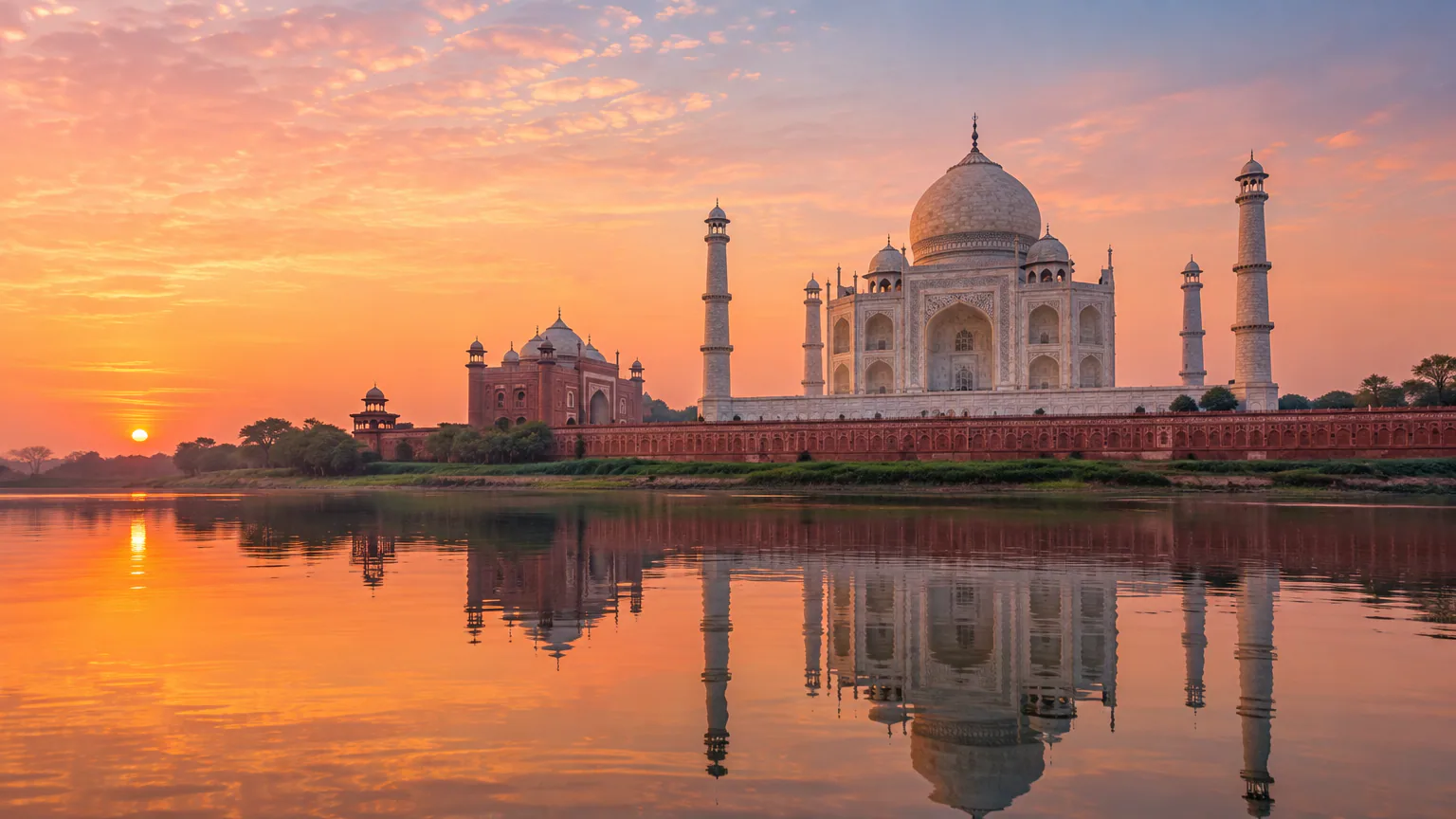
What Uttar Pradesh Travel Tips India Really Means
The handful of things that most change a Uttar Pradesh trip are season, transport mode, crowd timing, dress code and cash. Get these five right and Agra, Lucknow, Varanasi, Ayodhya and Mathura become manageable; get them wrong and long queues, heat or ticketing surprises dominate the itinerary.
Uttar Pradesh is India's most-visited state by domestic arrivals, with 2025 reporting cycles citing figures in the range of 121 billion to 156 billion tourist visits across the year, depending on the counting method used by state tourism and news reports. That scale matters practically: Taj Mahal slots, Varanasi ghat mornings and Ayodhya darshan queues behave very differently in November than in June.
The state's tourism economy is expanding fast, with a hotel investment pipeline reported above INR 44,250 crore, which means new mid-range and premium inventory is appearing in Agra, Lucknow and Ayodhya. For a 2026 trip, book early in the peak window and treat any quoted package price as indicative until a Tripstor consultant confirms inclusions.
- Season: October to March is generally best; November to February offers the most comfortable sightseeing weather.
- Transport: trains for Delhi–Agra–Lucknow–Varanasi sectors; private car with driver for multi-city circuits.
- Crowds: plan Taj Mahal and major temple visits for early morning; check Friday closure for the Taj Mahal.
- Dress: shoulders and knees covered at religious sites; easy-to-remove footwear.
- Cash: small notes for autos, e-rickshaws and temple offerings.
At a glance
Uttar Pradesh, in brief
Indian nationals need no visa, permit or special entry clearance for Uttar Pradesh. Carry a government photo ID for monument tickets and hotel check-in, keep a small cash reserve, and download an eSIM or local data pack if you rely on maps and app cabs across Agra, Lucknow and Varanasi.
Uttar Pradesh.
Planned around you.
- Entry for Indian nationals
- No visa, permit or special entry clearance requiredCarry a government photo ID for monument tickets and hotel check-in
- Entry for foreign nationals
- Valid Indian visa or eligible e-visa required before travelCheck passport validity, permitted entry airport and current Government of India rules
- Currency
- Indian Rupee (INR)Small notes useful for autos, e-rickshaws and offerings
- Languages
- Hindi and Urdu widely spoken; English understood in hotels and major monumentsAwadhi, Bhojpuri and Braj are common regionally
- Plug type
- Type C, D and M; 230V, 50HzCarry a universal adapter for older properties
- SIM or eSIM
- Indian SIM or eSIM with data pack recommendedUseful for app cabs, maps and monument e-tickets
Before You Go to Uttar Pradesh
Before you go to Uttar Pradesh, lock in train or flight bookings, monument tickets and at least one buffer day. The most common mistake is treating Agra, Lucknow and Varanasi as a single quick loop; the distances and crowd patterns reward a slower, pre-booked plan.
Government photo ID
Required for monument tickets, hotel check-in and some temple queues.
Where to get it: Carry original Aadhaar, passport or driving licenceCommon mistake: Relying on a photocopy or phone image at ticket counters
Train or flight bookings
Book Delhi–Agra–Lucknow–Varanasi sectors early, especially November to February.
Where to get it: IRCTC or airline appsCommon mistake: Leaving Tatkal bookings to the last day during festival weeks
Monument e-tickets
Book Taj Mahal and other ASI sites online where available; check Friday closure.
Where to get it: Official ASI ticketing portalCommon mistake: Assuming the Taj Mahal is open every day
Cash and cards
Carry small INR notes for autos, e-rickshaws and offerings; cards work at hotels and larger restaurants.
Where to get it: ATM or bank before leaving the airport or stationCommon mistake: Arriving with only large notes and no change
Travel insurance
Domestic policies covering medical emergencies and trip delays are useful for multi-city circuits.
Where to get it: Insurer or aggregatorCommon mistake: Assuming existing health cover includes travel disruption
Useful apps
Maps, IRCTC, app-cab and UPI apps for payments and navigation.
Where to get it: App storeCommon mistake: Not downloading offline maps before low-signal stretches
Modest clothing
Pack clothing covering shoulders and knees for temples and pilgrimage sites.
Where to get it: Personal packingCommon mistake: Planning sleeveless or short outfits for darshan days
Buffer day
Keep one flexible day for weather, festival crowds or transport delays.
Where to get it: Itinerary planningCommon mistake: Scheduling same-day connections between Varanasi and Agra
Money and Payments in Uttar Pradesh
Cash still matters in Uttar Pradesh for autos, e-rickshaws and small eateries, while UPI and cards work at hotels, larger restaurants and many monument counters. Carry a mix, keep small notes handy, and treat any quoted local transport rate as indicative rather than fixed.
- Carry small cash for short trips
Auto and e-rickshaw fares are commonly quoted per kilometre; having INR 20–40 notes avoids change problems. Indicative local costs: auto/e-rickshaw INR 20–40 per kilometre.
Cash - Use UPI where accepted
UPI is widely accepted at hotels, larger restaurants and many shops in Agra, Lucknow and Varanasi. Small vendors and temple areas may still prefer cash.
Payments - ATMs in major cities
ATMs are easy to find in Agra, Lucknow and Varanasi; carry backup cash for smaller towns and late-night arrivals.
ATMs - App cabs versus street autos
App taxis typically run INR 15–30 per kilometre; street autos may quote higher for visitors. Compare before agreeing.
Transport - Data and roaming
An Indian SIM or eSIM with a data pack is useful for maps, app cabs and monument e-tickets. Coverage is generally good in cities but can dip on rural stretches.
Connectivity - Intercity car with driver
An intercity sedan with driver is approximately INR 3,500–6,000 per day depending on vehicle and route; confirm inclusions like tolls and driver allowance.
Transport
Cultural Tips for Uttar Pradesh
Cultural tips for Uttar Pradesh begin with dress and footwear: cover shoulders and knees at religious sites, remove shoes before entering temples, and follow site-specific rules on leather items, photography and bags. Tipping is optional but appreciated for drivers, guides and hotel staff.
- Dress modestly at religious sites
Wear clothing covering shoulders and knees. Some temples and dargahs may require head coverings or specific attire; check locally.
Dress - Footwear and leather items
Carry footwear that is easy to remove. Some sites restrict leather items inside; plan to leave them in the vehicle or cloakroom.
Religious sites - Photography rules
Photography may be restricted inside temples, dargahs and some monument interiors. Look for signage or ask staff before shooting.
Photography - Tipping
Tipping is optional. For drivers and guides, INR 200–500 per day is a common range for good service; hotel staff appreciate small notes.
Tipping - Queue and darshan etiquette
At Ayodhya, Varanasi and Mathura, follow queue instructions and avoid carrying large bags. Peak festival days can be very crowded.
Pilgrimage - Respect local customs
Avoid public displays of affection near religious sites, and ask before photographing people. A simple 'namaste' works well.
Customs
Food Tips for Uttar Pradesh
Uttar Pradesh food tips start with the regional classics: Awadhi kebabs and biryani in Lucknow, Banarasi chaat and sweets in Varanasi, and petha in Agra. Vegetarian options are plentiful, and Jain or no-onion-no-garlic requests are usually understood in major cities.
- Lucknow
Lucknow Awadhi cuisine
Lucknow is known for Awadhi kebabs, biryani and slow-cooked dishes. Look for established kebab shops in the old city and hotel restaurants for a comfortable sit-down meal.
Best forNon-vegetarian food, kebabs, biryani
Ask for less spice if you prefer mild food; many kitchens adjust on request.
- Varanasi
Varanasi street food and sweets
Banarasi chaat, kachori-sabzi and sweets are common around the ghats and old city lanes. Choose busy stalls with high turnover for freshness.
Best forVegetarian snacks, sweets, chaat
Start with small portions if you are not used to street food; carry bottled water.
- Agra
Agra petha and Mughlai food
Agra is known for petha sweets and Mughlai dishes. Many restaurants near the Taj Mahal area serve both vegetarian and non-vegetarian menus.
Best forSweets, Mughlai food, family meals
Buy petha from a reputable shop and check the manufacturing date.
- Ayodhya, Mathura
Ayodhya and Mathura vegetarian thalis
Pilgrimage towns lean heavily vegetarian, with simple thalis and satvik options near temples. Many kitchens avoid onion and garlic on request.
Best forVegetarian thalis, satvik meals
Confirm whether the kitchen is pure vegetarian if that matters to you.
- Statewide
Indian food options across cities
North Indian, South Indian and Chinese-Indian menus are common in Agra, Lucknow and Varanasi. Hotel restaurants are a reliable choice for familiar Indian food.
Best forIndian food, Jain and vegetarian options
For Jain food, ask clearly for no onion, no garlic and no root vegetables.
Safety in Uttar Pradesh
Safety in Uttar Pradesh for Indian tourists is mostly about crowd management, transport choices and heat. The principal tourist circuits are widely travelled, but use reputable transport, protect belongings in crowds, follow local dress and photography rules, and avoid isolated areas after dark.
- Overcharging by autos and e-rickshaws
How to avoid itAgree on the fare before boarding or use app-based taxis. Indicative auto/e-rickshaw rates are INR 20–40 per kilometre; app taxis INR 15–30 per kilometre.
- Pickpocketing in crowded markets and stations
How to avoid itKeep wallets and phones in front pockets or zipped bags. Avoid displaying large cash amounts in crowds.
- Heat exhaustion in summer months
How to avoid itSchedule outdoor sightseeing for early morning or late afternoon, carry water and electrolytes, and plan indoor or shaded activities during peak heat.
- Monument ticket touts and unofficial guides
How to avoid itBuy tickets from official counters or the ASI online portal. Use licensed guides only through recognised operators or hotel desks.
- Taj Mahal Friday closure
How to avoid itThe Taj Mahal is generally closed to visitors on Fridays. Confirm official ticketing and opening information before finalising the itinerary.
- Festival crowd surges
How to avoid itDuring major festivals, expect heavy crowds at Ayodhya, Varanasi and Mathura. Keep the group together, set a meeting point, and avoid carrying large bags.
- Food and water hygiene
How to avoid itChoose busy eateries with high turnover, drink sealed bottled water, and carry basic medicines for upset stomachs.
- Late-night travel in unfamiliar areas
How to avoid itPrefer pre-booked app cabs or hotel-arranged transport after dark. Share your route with someone you trust.
Packing by Season in Uttar Pradesh
Packing by season in Uttar Pradesh depends on whether you are travelling in the cool October–March window, the hot April–June period, or the monsoon months. Layers, modest clothing for religious sites, and easy-to-remove footwear are useful across all seasons.
Winter (November–February)
Light woollens, a jacket for mornings and evenings, and comfortable walking shoes. North Indian winters can be cool, especially in the early morning at monuments and ghats.
Where to get it: Personal packingCommon mistake: Assuming all of Uttar Pradesh stays warm in winter
Summer (April–June)
Light cotton clothing, a wide-brimmed hat, sunglasses, sunscreen and a water bottle. Plan indoor or early-morning sightseeing.
Where to get it: Personal packingCommon mistake: Scheduling full-day outdoor tours during peak heat
Monsoon (July–September)
Quick-dry clothing, a compact umbrella or raincoat, and footwear with grip. Expect humidity and occasional travel delays.
Where to get it: Personal packingCommon mistake: Carrying only open-toed footwear on wet days
Religious site kit
A scarf or shawl for head covering, socks for temple floors, and a small bag for shoes.
Where to get it: Personal packingCommon mistake: Wearing shorts or sleeveless tops to darshan
Health and hygiene
Hand sanitiser, basic medicines, ORS sachets and any prescription medication in original packaging.
Where to get it: PharmacyCommon mistake: Forgetting prescriptions or carrying them loose
Documents and electronics
Photo ID, printed or offline tickets, power bank, charger and universal adapter.
Where to get it: Personal packingCommon mistake: Relying only on phone copies of ID at ticket counters
Holiday ideas to start from
Reviewed itineraries for this destination — personalise with a specialist, never an instant booking.
Lucknow Heritage and Food 3 Nights: 2026 Culture Tour Package
From₹19,000per adult, twin sharing, land only
From idea to itinerary, with a real person.
- Share your plan
Dates, departure city, travellers and the moments you’d love. It only takes a minute.
- Shape it with a specialist
A real person refines the route, stays and pace with you. Change anything.
- Review your quote
A clear, personalised quote with confirmed inclusions. No payment to enquire.
From our travel specialists
What our team sees when planning these trips, beyond what the guidebooks say.
Confirmed 11 Oct 2026
Travellers commonly stress that Uttar Pradesh is not one compact destination: Agra, Varanasi, Lucknow, Ayodhya and Mathura–Vrindavan need separate planning, and pilgrimage sites can involve crowds, security checks, modest clothing and walking. They also advise checking opening times, road conditions and booking accommodation and trains ahead during busy periods.
Travellers often add Fatehpur Sikri or give Agra Fort more time after initially planning only the Taj Mahal. In Varanasi, they commonly add a sunrise boat ride, the evening Ganga Aarti and Sarnath rather than limiting the visit to the main temple.
Cash is useful because cards are not accepted everywhere, particularly for small offerings and local purchases. Intercity trains and stations can be crowded or delayed, while Varanasi’s narrow ghat lanes make walking and local vehicle access more demanding than a general itinerary suggests.
For a first visit, travellers most often use Agra as the base for the Taj Mahal, Agra Fort and possibly Fatehpur Sikri, or Varanasi for the ghats, Ganga Aarti and Sarnath. The choice depends on the circuit: Agra suits a western Uttar Pradesh route with Mathura–Vrindavan, while Varanasi suits a spiritual route with Prayagraj or Ayodhya.
Before you go
Straight answers to help you plan — then personalise the trip with a specialist.
8 answered belowAsk a specialist anything about this trip — there’s no obligation.
Ask a specialistWhat is the best time to visit Uttar Pradesh?
October to March is generally best, with November to February offering the most comfortable sightseeing weather. Avoid peak summer heat unless the itinerary is mainly indoor or early-morning. Monsoon months bring humidity and occasional travel delays, so build buffer time into multi-city plans.
How many days are enough for an Uttar Pradesh tour?
Five to seven days cover Agra, Lucknow, Varanasi and one of Ayodhya or Mathura. Ten to fourteen days allow a slower pilgrimage, heritage and wildlife itinerary. Keep at least one buffer day for transport delays or festival crowds.
What are the best places to visit in Uttar Pradesh?
Agra, Varanasi, Lucknow, Ayodhya, Mathura–Vrindavan and Prayagraj are the core package destinations. Dudhwa suits travellers adding wildlife. Each has a different pace, so group nearby sites rather than criss-crossing the state.
How much does a Uttar Pradesh tour package cost?
Indicative land-only twin-sharing packages cost about INR 18,000 per person budget, INR 32,000 standard, INR 55,000 premium and INR 95,000 luxury, excluding flights. These are planning ranges, not Tripstor offers; confirm inclusions with a consultant.
Is Uttar Pradesh safe for tourists?
The principal tourist circuits are widely travelled, but visitors should use reputable transport, protect belongings in crowds, follow local dress and photography rules, and avoid isolated areas after dark. No destination is risk-free; take normal precautions and keep emergency numbers saved.
How do I travel between Agra, Lucknow and Varanasi?
Use fast or overnight trains where schedules suit, or hire a car with driver for flexible multi-stop routing. Flying is most useful for longer-distance entry and exit. Book trains early during November to February.
Is the Taj Mahal closed on any day?
The Taj Mahal is generally closed to visitors on Fridays. Confirm the official ticketing and opening information before finalising the itinerary. Book e-tickets in advance where available to reduce queue time.
What should I wear in Uttar Pradesh temples and pilgrimage sites?
Wear modest clothing covering shoulders and knees, carry footwear that is easy to remove, and follow site-specific rules on leather items, photography and bags. A scarf or shawl is useful for head covering at some sites.