
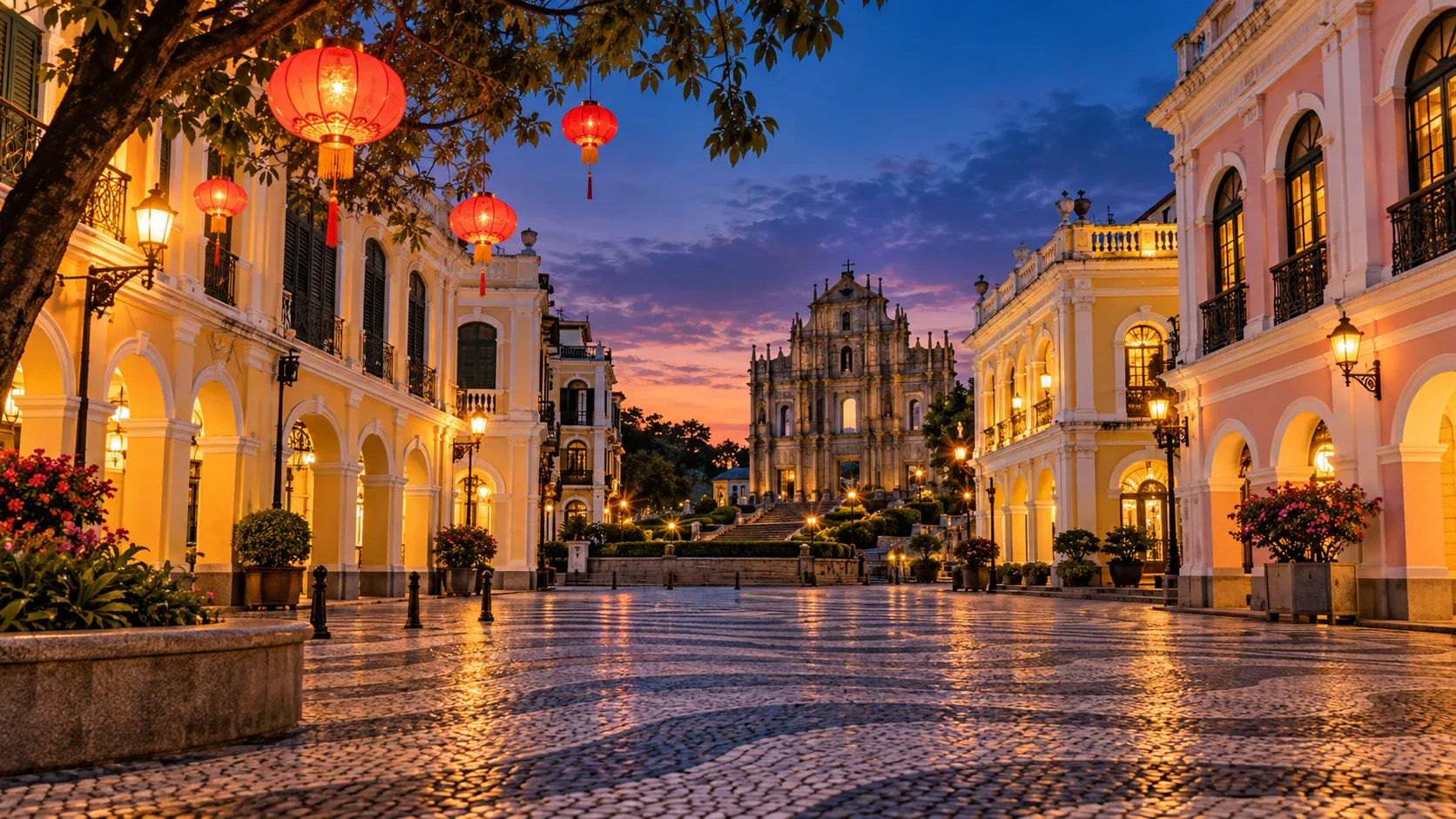
What Most Changes a Hong Kong + Macau Trip
Five practical factors decide how smooth a Hong Kong + Macau trip feels for Indian travellers: completing Hong Kong Pre-arrival Registration before departure, carrying one passport for both immigration systems, choosing October–December or March–April weather, loading an Octopus card for MTR and ferry payments, and budgeting for a city where central hotels and dining run high.
Hong Kong and Macau are separate immigration jurisdictions, so a single trip involves two entry processes. Indian passport holders can visit Hong Kong visa-free for up to 14 days only after completing free online Pre-arrival Registration, normally valid for six months and multiple visits. Macau lists Indian nationals among those eligible for up to 30 days on arrival, subject to passport validity, onward travel and immigration discretion. Direct air transit without leaving the airport transit area is exempt from Hong Kong registration.
Flight time from Indian gateways ranges from about 4 hours from Kolkata to about 8 hours from Pune with a connection. Mumbai, Delhi, Chennai, Bengaluru, Hyderabad and Kolkata have direct services on Cathay Pacific, IndiGo or Air India depending on the route and season. Cross-border travel between the two cities uses high-speed ferries or the Hong Kong–Zhuhai–Macau Bridge.
Costs vary widely by hotel tier and season. A typical twin-sharing land-only package is approximately INR 65,000 to INR 2,40,000 per person, depending on hotel tier, duration, inclusions and season. That is an indicative planning range, not a Tripstor offer.
At a glance
Hong Kong + Macau, in brief
Hong Kong uses the Hong Kong dollar and Macau the Macau pataca, English is widely used alongside Cantonese, and Indian travellers need Hong Kong Pre-arrival Registration plus a passport valid for both borders. Emergency numbers, plug types and SIM choices differ slightly between the two cities, so check each before departure.
Hong Kong + Macau.
Planned around you.
- Currency
- Hong Kong dollar (HKD) in Hong Kong; Macau pataca (MOP) in MacauHKD is widely accepted in Macau, often at a slight disadvantage
- Language
- Cantonese and English in Hong Kong; Cantonese and Portuguese in MacauEnglish is sufficient in major tourism areas
- Plug type
- Type G and Type D, 220 voltsBring a universal adapter from India
- SIM or eSIM
- Local prepaid SIMs and eSIMs available; regional eSIM covers both citiesBuy at the airport or city stores
- Time difference
- UTC+8, 2 hours 30 minutes ahead of IndiaNo daylight saving change
- Emergency number
- 999 in Hong Kong; 999 or 110 in MacauKeep the number saved offline
Before You Go to Hong Kong + Macau
Complete Hong Kong Pre-arrival Registration online before booking flights, confirm Macau entry eligibility, arrange travel insurance and forex, and download the MTR Mobile app plus a regional eSIM. The most common mistake is assuming a single visa or registration covers both Hong Kong and Macau, which have separate immigration controls.
Hong Kong Pre-arrival Registration
Free online registration required for visa-free Indian visits of up to 14 days; normally valid six months, multiple visits.
Where to get it: Hong Kong Immigration Department websiteCommon mistake: Leaving it until the last day and finding the portal slow or the details mismatched with the passport.
Passport valid for both borders
Carry the same passport used for Hong Kong and Macau entries; check validity covers the full trip.
Where to get it: Your passport officeCommon mistake: Using a different passport or carrying a photocopy instead of the original.
Macau entry documents
Indian nationals are eligible for up to 30 days on arrival, subject to passport validity, onward travel and immigration discretion.
Where to get it: Macau immigration informationCommon mistake: Assuming Macau entry is automatic without onward tickets or hotel proof.
Travel insurance
Cover medical evacuation, trip cancellation and any adventure activities such as hiking or theme parks.
Where to get it: Insurer or travel agentCommon mistake: Buying the cheapest policy without checking activity exclusions.
Forex and cards
Carry some HKD cash for taxis and small eateries; use a low-foreign-transaction-fee card for larger spends.
Where to get it: Bank or authorised forex dealerCommon mistake: Relying entirely on cards and finding small vendors cash-only.
MTR Mobile and Octopus apps
Download before departure for Hong Kong train routes and Octopus card top-ups.
Where to get it: App storesCommon mistake: Waiting until arrival and using airport Wi-Fi to set up accounts.
Regional eSIM or local SIM plan
A regional eSIM covering Hong Kong and Macau avoids buying two local SIMs.
Where to get it: eSIM provider or airport storeCommon mistake: Buying a Hong Kong-only SIM and losing data in Macau.
Printed and digital copies
Save passport, registration, tickets, insurance and hotel bookings offline.
Where to get it: Your email and cloud storageCommon mistake: Keeping everything only in email and losing access without data.
Hong Kong Pre-arrival Registration is free, completed online through the Hong Kong Immigration Department, and normally valid for six months with multiple visits. Apply at least a week before departure so any correction can be made. Macau does not require advance registration for eligible Indian passport holders staying up to 30 days, but immigration officers may ask for onward tickets, hotel bookings and proof of funds.
Book flights and hotels early for October–December and March–April, when weather is most comfortable. Travel insurance should cover medical evacuation, trip cancellation and adventure activities if you plan hiking or theme parks. Forex: carry some HKD cash for taxis and small eateries, and a card with low foreign transaction fees for larger spends.
Useful apps include MTR Mobile for Hong Kong trains, the Octopus app for card top-ups, and a regional eSIM for data across both cities. Save digital and printed copies of your passport, registration, tickets and insurance.
Money and Payments in Hong Kong + Macau
Hong Kong runs on the Hong Kong dollar and Macau on the Macau pataca, though HKD is widely accepted in Macau. Cards work in hotels, malls and chain restaurants, but cash is useful for taxis, markets and small eateries. Octopus cards simplify transport and convenience-store payments in Hong Kong.
- Carry both HKD and MOP
Hong Kong uses HKD and Macau uses MOP, though HKD is widely accepted in Macau often at a slight disadvantage. Keep small MOP notes for Macau buses and local shops.
Money - Use ATMs in banks or malls
ATMs are plentiful in both cities. Use those inside bank branches or malls during the day and check your bank's foreign withdrawal fee before relying on them.
Money - Do not expect UPI
UPI is not generally accepted in Hong Kong or Macau. Carry a card with low foreign transaction fees and some cash for taxis, markets and small eateries.
Money - Get an Octopus card in Hong Kong
Octopus cards simplify MTR, bus, tram, ferry and convenience-store payments. Buy at the airport or MTR stations and top up at convenience stores.
Connectivity - Choose a regional eSIM
A regional eSIM covering Hong Kong and Macau avoids buying two local SIMs. Hong Kong prepaid SIMs and eSIMs are available at the airport and city stores.
Connectivity - Check roaming before you fly
Indian SIM roaming can work but usually costs more. Compare your operator's Asia pack with a regional eSIM before departure.
Connectivity
ATMs are plentiful in both cities, and major Indian debit and credit cards usually work, though your bank may charge foreign transaction and withdrawal fees. UPI is not generally accepted in Hong Kong or Macau, so do not rely on it. Carry a mix of HKD cash and a card, and keep a small amount of MOP for Macau buses and small shops.
For connectivity, Hong Kong prepaid SIMs and eSIMs are sold at the airport and in city stores, while Macau has its own operators. A regional eSIM covering both is often simpler. Roaming with an Indian SIM can work but usually costs more; check your operator's Asia pack before departure.
Octopus cards are available at Hong Kong airport and MTR stations, and can be topped up at convenience stores. The Airport Express to Central is approximately HKD 115 one way. Macau has its own transport payment options, and hotel shuttle buses are often free for guests.
Cultural Tips for Hong Kong + Macau
Dress modestly at temples and religious sites, remove hats and avoid loud phone calls in quiet MTR carriages. Tipping is not mandatory in Hong Kong or Macau, though rounding up or leaving small change is appreciated. Queueing, escalator etiquette and keeping left on escalators are observed closely.
- Dress for religious sites
Cover shoulders and knees at temples and religious buildings such as those in the Macau Historic Centre. Carry a light scarf or shawl for quick coverage.
Etiquette - Keep MTR carriages quiet
Avoid loud phone calls and music on Hong Kong trains. Eating and drinking are not allowed, and priority seats are reserved for elderly, pregnant and disabled passengers.
Etiquette - Tip only if you want to
Tipping is not mandatory. Many restaurants add a service charge, and taxis usually round up. Small notes for porters and housekeeping are appreciated.
Etiquette - Stand right on escalators
In Hong Kong, stand on the right of escalators and walk on the left. This is observed closely on MTR and mall escalators.
Etiquette - Check casino rules in Macau
Macau casino areas have age limits and dress codes. Carry ID and check entry requirements before planning a visit.
Etiquette - Bargain selectively
Bargaining is not common in malls or chain stores but can be acceptable in some street markets. Ask politely and walk away if the price does not suit.
Etiquette
Hong Kong and Macau are modern cities with Cantonese and Portuguese influences. At temples such as those in the Macau Historic Centre, cover shoulders and knees, speak softly and avoid pointing at statues. Photography may be restricted inside some religious buildings, so look for signs.
Tipping is discretionary. Many restaurants add a service charge, and taxis usually round up to the nearest dollar. Hotel porters and housekeeping appreciate small notes. Bargaining is not common in malls or chain stores but can be acceptable in some street markets.
On the MTR, eating and drinking are not allowed, and priority seats are reserved for elderly, pregnant and disabled passengers. Stand on the right of escalators in Hong Kong. In Macau, casino areas have their own rules, including age limits and dress codes, so check before entering.
Food Tips for Indian Travellers in Hong Kong + Macau
Hong Kong and Macau offer Cantonese, Portuguese and Macanese dishes, with vegetarian options in Indian restaurants and some local eateries. Try dim sum, roast goose, egg tarts and Macanese African chicken. Indian food is available in Tsim Sha Tsui and other areas with South Asian communities.
- Kowloon, Hong Kong
Tsim Sha Tsui
A district with a concentration of Indian restaurants, plus Cantonese and international dining near Victoria Harbour.
Best forIndian food and harbour views
Good area for vegetarian and Jain-friendly Indian meals; ask about onion and garlic before ordering.
- Hong Kong Island
Central
Business district with a wide range of restaurants from street-level noodle shops to fine dining.
Best forVariety and convenience
Lunch sets can be better value than dinner at the same restaurants.
- Macau
Taipa Village
Historic village with Macanese and Portuguese eateries, including pork chop buns and egg tarts.
Best forMacanese and Portuguese food
Visit before peak dinner hours to avoid queues at popular stalls.
- Macau Peninsula
Macau Historic Centre
Area around Senado Square with cafes, bakeries and Portuguese-influenced restaurants.
Best forSnacks and heritage walks
Try Portuguese egg tarts from a busy bakery for freshness.
- Macau
Cotai
Resort strip with hotel restaurants covering Cantonese, international and buffet options.
Best forFamily dining and buffets
Buffets can suit mixed dietary needs but check for meat stock in vegetarian dishes.
Hong Kong's food scene ranges from Michelin-starred Cantonese restaurants to street-side noodle shops. Dim sum, wonton noodles, roast goose and egg tarts are widely available. Vegetarian travellers can find Buddhist restaurants, salad bars and Indian restaurants, especially in Tsim Sha Tsui and Central. Jain food is harder to find, so check ingredients for garlic, onion and meat stock.
Macau blends Portuguese and Cantonese flavours. Macanese African chicken, pork chop buns and Portuguese egg tarts are common. Taipa Village has a concentration of local eateries. Indian restaurants exist in Macau but are fewer than in Hong Kong, so plan meals if you need strict vegetarian or Jain options.
Tap water is generally treated but many travellers drink bottled or filtered water. Street food is popular; choose busy stalls with high turnover. If you have allergies, carry a translated card or use a translation app to explain ingredients.
Safety in Hong Kong + Macau for Indian Tourists
Hong Kong and Macau are generally low-crime for visitors, but pickpocketing, taxi overcharging and weather risks such as typhoons and humidity require attention. Keep bags zipped in crowded areas, use official taxis or ride-hailing, and check typhoon signals before outdoor plans. Travel insurance should cover medical costs.
- Pickpocketing in crowded markets and MTR stations
How to avoid itKeep bags zipped and in front of you, avoid displaying expensive items, and use hotel safes for passports and spare cash.
- Taxi overcharging or refusal of short fares
How to avoid itUse official taxi stands, ride-hailing apps or the MTR. Ask for the meter and keep the receipt.
- Typhoons from roughly May to November
How to avoid itCheck the Hong Kong Observatory for typhoon signals and follow local advice. Adjust outdoor plans and keep flexible.
- Summer heat and humidity
How to avoid itCarry water, plan indoor breaks, and avoid strenuous outdoor activity in the middle of the day.
- High medical costs for visitors
How to avoid itBuy travel insurance with medical evacuation cover before departure and keep policy details accessible.
- Prescription medicine issues
How to avoid itBring medicines in original packaging with a doctor's note. Carry a translated allergy card if needed.
Petty crime is uncommon but pickpocketing can occur in crowded markets, MTR stations and tourist areas. Keep wallets and phones secure, avoid displaying expensive jewellery, and use hotel safes for passports and spare cash. Taxi overcharging and refusal of short fares happen occasionally; use official taxi stands, ride-hailing apps or the MTR where possible.
Weather risks include typhoons from roughly May to November and high humidity in summer. Check the Hong Kong Observatory for typhoon signals and follow local advice. Heat exhaustion is possible in summer, so carry water and plan indoor breaks. Winter is mild but can be cool and damp.
Health facilities are good but expensive for visitors. Travel insurance with medical evacuation cover is strongly recommended. Pharmacies are widely available; bring prescription medicines in original packaging with a doctor's note. If you have allergies, carry medication and a translated note.
Packing by Season for Hong Kong + Macau
Pack light layers for October–December and March–April, breathable clothing and rain gear for the humid summer, and a warm layer for cooler winter evenings. Comfortable walking shoes matter for MTR-heavy days, and a universal adapter plus a power bank keeps devices charged across both cities.
Light layers for October–December
Mild days and cooler evenings; a light jacket or cardigan works well for Victoria Peak and harbour walks.
Where to get it: Your wardrobeCommon mistake: Packing only summer clothes and feeling cold at night on the harbour.
Breathable clothing for March–April
Warm and sometimes humid; cotton and quick-dry fabrics are comfortable for MTR-heavy days.
Where to get it: Your wardrobeCommon mistake: Wearing heavy denim that stays damp after rain.
Rain gear for summer
Compact umbrella and light rain jacket for heavy showers and typhoon season from roughly May to November.
Where to get it: Travel storeCommon mistake: Relying on hotel umbrellas that run out during storms.
Warm layer for winter evenings
December to February can be cool and damp; a fleece or light down jacket helps.
Where to get it: Your wardrobeCommon mistake: Assuming Hong Kong is always tropical and packing only shorts.
Comfortable walking shoes
MTR stations, markets and heritage walks involve long distances; broken-in shoes prevent blisters.
Where to get it: Your wardrobeCommon mistake: Bringing new shoes that cause blisters on day one.
Universal adapter and power bank
Type G and Type D plugs at 220 volts; a power bank keeps phones charged on long days.
Where to get it: Electronics storeCommon mistake: Bringing only an Indian plug and finding no compatible socket.
Modest clothing for temples
Cover shoulders and knees at religious sites; a light scarf or shawl is easy to carry.
Where to get it: Your wardrobeCommon mistake: Arriving in sleeveless tops and being asked to leave or cover up.
Waterproof pouch for documents
Protects passport, registration and tickets during rainy months.
Where to get it: Travel storeCommon mistake: Keeping paper documents loose in a daypack that gets wet.
Hong Kong and Macau have a subtropical climate with hot, humid summers and mild, drier winters. October to December and March to April are usually the most comfortable for walking and sightseeing. Summer can bring heavy rain and typhoons, so a compact umbrella and quick-dry clothing help.
For religious sites, carry a light scarf or shawl to cover shoulders and knees. If you plan hiking, bring proper shoes and sun protection. For theme parks and family days, pack refillable water bottles, snacks and a poncho.
Electronics: both cities use Type G and Type D plugs at 220 volts, so a universal adapter is essential. A power bank is useful for long days out. Keep documents in a waterproof pouch during rainy months.
From idea to itinerary, with a real person.
- Share your plan
Dates, departure city, travellers and the moments you’d love. It only takes a minute.
- Shape it with a specialist
A real person refines the route, stays and pace with you. Change anything.
- Review your quote
A clear, personalised quote with confirmed inclusions. No payment to enquire.
From our travel specialists
What our team sees when planning these trips, beyond what the guidebooks say.
Confirmed 11 Oct 2026
Families learn that Hong Kong Disneyland, Ocean Park, Lantau and the Peak Tram can make the schedule physically demanding, particularly for children or older travellers. Couples often value Macau’s resort hotels, cafés, fine dining and evening shows, while a combined trip can feel rushed if too many destinations are added.
Summer is the season most likely to be underestimated: heat, humidity, heavy rain and possible typhoons can disrupt harbour views, outdoor sightseeing and ferry plans. Travellers commonly identify late October to early December as more comfortable because humidity falls and visibility improves.
Food is the clearest recurring issue: vegetarian Indian groups report relying heavily on Indian restaurants, which can require extra planning. Local transport is generally reported as efficient, with ferries, taxis and organised transfers making Hong Kong–Macau travel manageable.
No reliable traveller-source pattern in the results supports a specific popular attraction that disappoints many visitors. The available reports instead describe Victoria Peak as worthwhile despite crowds and Macau’s Wynn Palace show and historic areas positively.
Before you go
Straight answers to help you plan — then personalise the trip with a specialist.
8 answered belowAsk a specialist anything about this trip — there’s no obligation.
Ask a specialistDo Indians need a visa for Hong Kong and Macau?
Indian nationals generally do not need a conventional visitor visa for short stays, but Hong Kong requires free online Pre-arrival Registration before a visa-free visit of up to 14 days; Macau generally permits eligible Indian passport holders up to 30 days on arrival. Carry the same passport for both entries.
How many days are enough for Hong Kong and Macau?
Five to seven days is the practical range: four days in Hong Kong and one to two days in Macau. That allows time for Victoria Peak, Victoria Harbour, Lantau Island, the Macau Historic Centre and Taipa Village without rushing cross-border transfers.
What is the best time to visit Hong Kong and Macau?
October to December and March to April are usually best; October and November provide the strongest balance of comfortable temperatures and lower rainfall. Summer is hot and humid with typhoon risk from roughly May to November, so check forecasts before outdoor plans.
How much does a Hong Kong and Macau tour package cost from India?
A typical twin-sharing land-only package is approximately INR 65,000 to INR 2,40,000 per person, depending on hotel tier, duration, inclusions and season. That is an indicative planning range, not a confirmed Tripstor offer; flights and peak-season surcharges are usually extra.
Can I visit Macau from Hong Kong in one day?
Yes, but a one-day visit is best limited to either the historic centre or a focused resort-and-food itinerary; overnight stays allow a more comfortable combination. Use a high-speed ferry from Hong Kong terminals or cross via the Hong Kong–Zhuhai–Macau Bridge, allowing time for separate immigration.
How do I travel from Hong Kong to Macau?
Use a high-speed ferry from Hong Kong terminals or cross via the Hong Kong–Zhuhai–Macau Bridge using approved buses or private transfers; allow time for separate immigration procedures. Carry the same passport used for your Hong Kong entry and keep onward tickets accessible.
What are the best places to visit in Hong Kong and Macau?
Key stops include Victoria Peak, Victoria Harbour, Tsim Sha Tsui, Lantau Island, Hong Kong Disneyland, Macau Historic Centre, Taipa Village and Cotai. These cover skyline views, culture, family attractions and Macanese food in a compact twin-city itinerary.
Is Hong Kong expensive for Indian tourists?
It can be expensive, especially for centrally located hotels and dining, but MTR travel, local eateries, public markets and three-star accommodation can reduce costs. Budget for HKD cash, an Octopus card and a card with low foreign transaction fees.