
How Many Places Can You Cover?
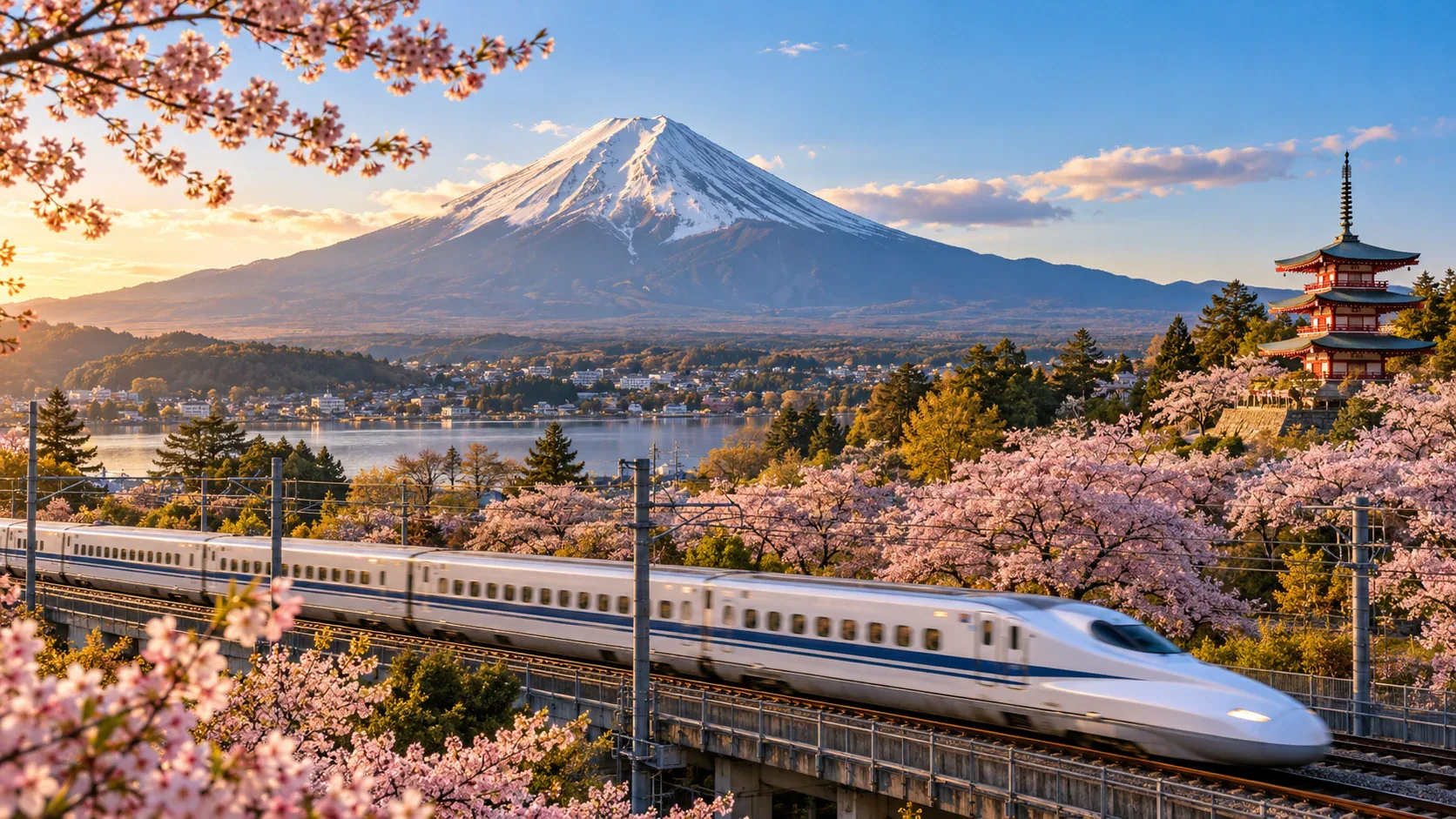
A first Japan trip usually covers five to seven must-see places across three to four bases. Tokyo, Kyoto and Osaka form the core, with Mount Fuji or Hakone and Nara as the most practical additions. Hiroshima and Miyajima need two extra days, while Hokkaido suits trips of ten days or more.
Japan rewards fewer bases and longer stays. Tokyo needs about three days for modern districts, historic Asakusa and dining. Kyoto needs two days for Fushimi Inari, Kiyomizu-dera and Gion. Osaka needs two days for Dotonbori, Osaka Castle and day trips to Nara or Universal Studios Japan.
The main areas group neatly: Kanto (Tokyo and Fuji or Hakone), Kansai (Kyoto, Osaka and Nara), and western Honshu (Hiroshima and Miyajima). Hokkaido is a separate region best kept for a longer trip.
At a glance
Japan, in brief
Must-see places are Tokyo, Kyoto, Osaka, Mount Fuji or Hakone and Nara. Seven days suits a fast first trip, ten to fourteen days is comfortable, and Tokyo or Osaka work best as bases. March to May and October to November are the most favourable seasons.
Japan.
7 days fast, 10–14 days comfortable
- Must-see places
- Tokyo, Kyoto, Osaka, Mount Fuji or Hakone, NaraCore first-trip combination
- Ideal days
- 7 days fast, 10–14 days comfortableHokkaido needs 4 extra days
- Best base
- Tokyo and OsakaKyoto also works for Kansai-only trips
- Best season
- March–May and October–NovemberCherry blossoms late March–early April; autumn foliage in November
- Typical entry fee range
- Free to about ₹1,500 per siteIndicative; theme parks and observation decks cost more
- Visa snapshot
- Visa required before travel for Indian ordinary passport holdersVisa on arrival is not generally available
Top Places in Japan
The top places in Japan combine heritage, city energy and scenery. Tokyo, Kyoto, Osaka, Mount Fuji or Hakone and Nara form the practical first-trip set, with Hiroshima and Miyajima for history-focused travellers. Each rewards early starts and advance planning.
- Kanto region
Tokyo
Japan's capital combines modern districts, historic Asakusa, teamLab-style attractions and exceptional dining in one hub. It is the most common arrival point and needs about three days.
Best forFirst-time visitors, food, shopping, families
Do not schedule Tokyo Disney Resort and central Tokyo sightseeing on the same day; each requires substantial transit time.
- Kansai region
Kyoto
Kyoto concentrates Fushimi Inari, Kiyomizu-dera, Gion, temples and gardens, and traditional experiences. Two days covers the highlights at a steady pace.
Best forHeritage, culture, photography, couples
Visit major temples before 8:00 or after 16:00; midday crowds and bus congestion can significantly reduce the experience.
- Kansai region
Osaka
Osaka offers street food, Dotonbori nightlife, Osaka Castle and convenient access to Nara and Universal Studios Japan. Two days is a practical minimum.
Best forFood, nightlife, families, day trips
Use Osaka as a base for day trips, but avoid combining Universal Studios with Kyoto because both need a full day.
- Near Tokyo
Mount Fuji and Hakone
This area combines Fuji viewpoints, hot-spring ryokan, lake scenery and ropeway access within reach of Tokyo. Two days allows a relaxed visit.
Best forNature, couples, photography, hot springs
Fuji visibility is weather-dependent; keep the viewpoint day flexible rather than guaranteeing a clear mountain view.
- Kansai region
Nara
Nara Park, Todai-ji, Kasuga Taisha and free-roaming deer fit efficiently into a day from Kyoto or Osaka. It is a walking day.
Best forFamilies, heritage, day trips
Treat Nara as a walking day; deer crackers do not guarantee deer behaviour and visitors should protect maps and food.
- Western Honshu
Hiroshima and Miyajima
This pair combines the Peace Memorial sites with Itsukushima Shrine and the tidal scenery of Miyajima. Two days is the usual allocation.
Best forHistory, culture, couples
Check ferry and tide timings; the shrine's visual character changes substantially between high and low tide.
- Northern Japan
Hokkaido
Hokkaido adds powder snow, national parks, seafood, lavender landscapes and a cooler climate distinct from Honshu. It needs about four days.
Best forNature, skiing, summer escapes
Do not add Hokkaido to a first Japan trip under seven days; domestic travel distances make the itinerary inefficient.
- Kyoto
Fushimi Inari Taisha
A major Kyoto shrine known for its thousands of vermilion torii gates along forested paths. It is one of the city's most visited sites.
Best forHeritage, hiking, photography
Arrive before 8:00 to walk the lower gates with fewer people; the full loop takes two to three hours.
- Kyoto
Kiyomizu-dera
A hillside temple with a large wooden stage and views over Kyoto. It is a UNESCO World Heritage site and a key Higashiyama stop.
Best forHeritage, views, culture
Combine with Sannenzaka and Ninenzaka lanes; go early or late to avoid tour groups.
- Kyoto
Gion
Kyoto's historic geisha district with wooden machiya, teahouses and lanes near Yasaka Shrine. Evening walks show the area at its most atmospheric.
Best forCulture, couples, evening walks
Do not photograph geiko or maiko without permission; some lanes restrict photography.
- Osaka
Dotonbori
Osaka's canal-side entertainment district known for neon signs, street food and nightlife. It is busiest after dark.
Best forFood, nightlife, families
Eat at stalls with clear prices; takoyaki and okonomiyaki are the standard picks.
- Osaka
Osaka Castle
A reconstructed castle with a museum inside and parkland around it. The grounds are popular for seasonal walks.
Best forHistory, families, views
Buy the combined ticket for the castle and garden if both interest you; mornings are quieter.
- Tokyo
Asakusa and Senso-ji
Tokyo's historic Asakusa district centres on Senso-ji, the city's oldest temple, with Nakamise shopping street leading to it.
Best forHeritage, shopping, families
Visit before 8:00 or after 17:00; the shopping street is crowded midday.
- Tokyo
Shibuya Crossing
One of the world's busiest pedestrian crossings, surrounded by shopping, dining and observation points. It is a standard Tokyo stop.
Best forCity energy, photography, shopping
Use a nearby observation deck or cafe for a view rather than standing in the crossing to photograph.
- Tokyo
teamLab-style digital art museums
Tokyo hosts large-scale digital art attractions that combine projection, sound and interactive rooms. They are popular with families and couples.
Best forFamilies, couples, rainy days
Book timed entry in advance; slots sell out on weekends and holidays.
These are the places most first-time visitors include. Use the summaries to judge how many days each needs and the tips to avoid the busiest hours.
Underrated Places in Japan Most Tourists Miss
Beyond the core cities, lesser-known places add depth without long detours. Kanazawa, Takayama, Kurashiki, Naoshima, Kamakura and Nikko suit travellers with extra days who want gardens, old towns, art islands or mountain temples away from the busiest circuits.
- Ishikawa Prefecture
Kanazawa
Known for Kenroku-en garden, the Higashi Chaya teahouse district and a well-preserved samurai area. It is a common stop between Tokyo and Kyoto on the Hokuriku route.
Best forGardens, crafts, culture
Kenroku-en is busiest mid-morning; go at opening or late afternoon.
- Gifu Prefecture
Takayama
A mountain town with preserved wooden merchant streets, morning markets and access to the Japanese Alps. It pairs well with Kanazawa or Nagoya.
Best forOld towns, mountains, slow travel
The morning market starts early; plan an overnight stay rather than a rushed day trip.
- Okayama Prefecture
Kurashiki
A canal-lined historic quarter with white-walled storehouses and a small art museum district. It is an easy stop between Osaka and Hiroshima.
Best forHeritage, couples, photography
Visit on a weekday morning; the canal area is compact and can be covered in half a day.
- Kagawa Prefecture
Naoshima
An art island in the Seto Inland Sea with museums and outdoor installations. It requires a ferry and a full day.
Best forArt, couples, slow travel
Check ferry times and museum closing days; some installations need separate tickets.
- Kanagawa Prefecture
Kamakura
A coastal town with the Great Buddha, temples and hiking trails, about an hour from Tokyo. It suits a day trip.
Best forDay trips, heritage, families
Use the Enoden line to combine the Great Buddha with Hase-dera and the coast.
- Tochigi Prefecture
Nikko
A mountain town with ornate shrine and temple complexes and forest scenery north of Tokyo. It is a UNESCO World Heritage area.
Best forHeritage, nature, day trips
Go on a weekday; autumn weekends are very crowded and buses fill early.
These places work best as add-ons to a Kansai or Kanto base. Each needs a half day to two days and benefits from advance rail planning.
Places by Type of Experience
Families do best with Tokyo, Osaka and Nara, where transport is reliable and attractions suit children. Couples favour Kyoto, Hakone and Miyajima. Adventure travellers head to Hokkaido and the Alps, while culture-focused visitors prioritise Kyoto, Nara and Kanazawa.
Families
Best forTokyo, Osaka, Nara, Kamakura
StrengthsReliable trains and subways, theme parks, deer park, interactive museums and food options for children.
Trade-offsTheme parks need full days and peak queues; central hotels cost more and rooms can be small.
Couples
Best forKyoto, Hakone, Miyajima, Kanazawa
StrengthsRyokan stays, hot springs, scenic rail routes, evening lanes in Gion and quiet gardens.
Trade-offsPopular ryokan and autumn dates sell out early; some traditional stays have fixed meal times.
Adventure travellers
Best forHokkaido, Takayama and the Japanese Alps, Naoshima
StrengthsNational parks, powder snow, hiking, cycling and ferry-based island routes.
Trade-offsHokkaido needs four extra days; mountain areas have fewer English signs and limited late transport.
Culture travellers
Best forKyoto, Nara, Kanazawa, Nikko, Hiroshima and Miyajima
StrengthsUNESCO sites, temples, teahouse districts, museums and craft workshops.
Trade-offsMajor temples are crowded midday; some sites charge separate fees for gardens or halls.
Match places to your travel group before booking. The table below gives honest pros and cons for each type.
Suggested Order for Places to Visit in Japan
A practical four-day route starts in Tokyo, adds Mount Fuji or Hakone, then moves by Shinkansen to Kyoto and Osaka. Base overnight in Tokyo, Hakone, Kyoto and Osaka in that order. Seven-day trips compress this; ten to fourteen days allow Nara, Hiroshima or Hokkaido add-ons.
Day01 Stop 1 of 7Tokyo arrival and Asakusa
Land in Tokyo, settle in, and start with historic Asakusa to adjust to the time zone.
MorningArrive and transfer to your hotel; leave bags and rest if needed.
AfternoonVisit Senso-ji and Nakamise street in Asakusa; walk the Sumida riverside.
EveningDinner near Asakusa or Ueno; early night to recover from the flight.
Day02 Stop 2 of 7Tokyo city districts
Cover modern Tokyo with Shibuya, Harajuku and a digital art museum or observation deck.
MorningShibuya Crossing and a nearby observation point.
AfternoonHarajuku and Omotesando for shopping and cafes.
EveningShinjuku for dinner and city views.
Day03 Stop 3 of 7Mount Fuji or Hakone
Travel out of Tokyo for Fuji viewpoints, lake scenery and hot springs.
MorningTrain or road transfer toward Hakone or a Fuji viewpoint area.
AfternoonRopeway, lake cruise or a ryokan check-in depending on the route.
EveningRyokan dinner and onsen where available.
Day04 Stop 4 of 7Kyoto by Shinkansen
Move to Kyoto and cover Higashiyama and Gion in the evening.
MorningShinkansen from the Tokyo area toward Kyoto; store luggage at the hotel.
AfternoonKiyomizu-dera and the Sannenzaka and Ninenzaka lanes.
EveningWalk Gion and Yasaka Shrine; dinner in central Kyoto.
Day05 Stop 5 of 7Kyoto temples and Fushimi Inari
Start early for Fushimi Inari, then add a second temple or garden.
MorningFushimi Inari Taisha before 8:00.
AfternoonKinkaku-ji or Arashiyama depending on energy and season.
EveningReturn to central Kyoto for dinner.
Day06 Stop 6 of 7Nara day trip
Use Kyoto or Osaka as a base for a walking day in Nara.
MorningTrain to Nara; walk to Nara Park and Todai-ji.
AfternoonKasuga Taisha and the deer park; protect maps and food.
EveningReturn to Kyoto or continue to Osaka.
Day07 Stop 7 of 7Osaka and departure
Cover Osaka Castle and Dotonbori before flying out.
MorningOsaka Castle and park.
AfternoonDotonbori for street food and last shopping.
EveningTransfer to the airport for departure.
The route below groups nearby places and keeps transit manageable. Adjust the number of nights to your total trip length.
Visiting Tips for Japan
Buy individual tickets or a suitable rail pass after comparing costs, carry cash for smaller temples and shops, and use trains and subways within cities. Reserve popular attractions and peak-season hotels early. Follow local etiquette at shrines, on trains and in onsen.
- Compare rail pass value
Eligible foreign visitors can purchase applicable rail passes, but the nationwide pass may not offer value on every itinerary. Compare its current price with individual Shinkansen and limited-express tickets before buying.
Transport - Start temples early
Major Kyoto temples such as Fushimi Inari and Kiyomizu-dera are best before 8:00 or after 16:00. Midday bus congestion in Kyoto can significantly reduce the experience.
Timing - Carry cash and a coin purse
Smaller temples, shrines and some local shops may not accept cards. Keep coins handy for lockers, buses and small admissions.
Money - Book peak dates early
Reserve hotels during cherry blossom, Golden Week, Obon and autumn foliage. Also book popular ryokan, Shinkansen seats for peak travel, Universal Studios or Disney entry products, and sought-after restaurants.
Booking - Use city rail, not taxis, for daily sightseeing
Tokyo, Kyoto and Osaka have extensive train and subway networks. Taxis are reliable but costly in traffic; use them for late nights or luggage transfers.
Transport - Follow shrine and temple etiquette
Bow slightly at torii gates, avoid walking in the centre of the path at some shrines, and keep voices low. At temples, follow posted photography rules.
Etiquette - Onsen basics
Wash before entering the bath, keep towels out of the water, and cover tattoos where required. Some ryokan allow private onsen bookings.
Etiquette - Keep the Fuji day flexible
Fuji visibility is weather-dependent. If the mountain is clouded, shift the viewpoint day and use the spare slot for a city district or indoor attraction.
Planning - Plan airport transfers
Narita and Haneda serve Tokyo; Kansai serves Osaka and Kyoto. Allow time for immigration and baggage, and pre-book transfers if arriving late.
Transport - Check visa processing time
Indian ordinary passport holders generally need a Japanese visa before travel. Apply through the designated centre with your itinerary, stay proof and financial documents well before departure.
Documents
These tips cover tickets, opening times, transport between places and etiquette. Treat all prices as indicative 2026 planning ranges, not confirmed Tripstor offers.
Holiday ideas to start from
Reviewed itineraries for this destination — personalise with a specialist, never an instant booking.
Tokyo Kyoto Osaka Premium 7 Nights: 2026 Luxury Japan Itinerary
From₹2,51,100per adult, twin sharing, land only
From idea to itinerary, with a real person.
- Share your plan
Dates, departure city, travellers and the moments you’d love. It only takes a minute.
- Shape it with a specialist
A real person refines the route, stays and pace with you. Change anything.
- Review your quote
A clear, personalised quote with confirmed inclusions. No payment to enquire.
From our travel specialists
What our team sees when planning these trips, beyond what the guidebooks say.
Confirmed 11 Oct 2026
Cash is the most repeatedly reported issue: Japan accepts cards widely but small restaurants, shrines, rural transport and lockers may still require yen and coins. Travellers also mention that Japan can be expensive, particularly hotels, taxis and airport transfers, while an IC card such as Suica or Pasmo makes urban transport easier.
The recurring mistake is trying to fit Tokyo, Mount Fuji or Hakone, Kyoto, Osaka, Nara and sometimes Hiroshima into seven days. Travellers also report problems from booking hotels, Shinkansen seats and timed attractions too late during cherry-blossom or foliage periods.
Travellers commonly wish they had prepared for Japan’s etiquette, extensive walking, and the need to carry some yen for small ramen shops, shrines, rural buses and coin lockers. They also advise applying for the visa and booking popular attractions well ahead, especially in cherry-blossom season.
Families learn that Tokyo Disney and teamLab each need substantial time and energy, that three or four key stops per day is more realistic with children, and that Ghibli Museum or Disney reservations must be made early. Couples learn that a seven-day plan covering Tokyo, Kyoto, Osaka, Nara and Hiroshima is overly rushed; late May, October, November or February can offer a less pressured alternative to peak sakura travel.
Before you go
Straight answers to help you plan — then personalise the trip with a specialist.
10 answered belowAsk a specialist anything about this trip — there’s no obligation.
Ask a specialistDo Indians need a visa to visit Japan?
Yes. Indian ordinary passport holders generally need to obtain a Japanese visa before travel; visa on arrival is not generally available. Apply through the designated visa centre with your itinerary, stay proof and financial documents, and allow processing time before booking non-refundable flights.
What is the best time to visit Japan?
March to May and October to November are the most broadly favourable periods. Late March to early April is popular for cherry blossoms and November for autumn foliage. These windows are also the busiest and most expensive, so book hotels and rail seats early.
How many days are enough for Japan?
Seven days covers Tokyo, Mount Fuji or Hakone, Kyoto and Osaka at a fast pace. Ten to fourteen days allows a more comfortable multi-region itinerary with Nara, Hiroshima or Hokkaido. Fewer than seven days makes long-distance additions inefficient.
How much does a Japan tour package cost from India?
A typical land-only twin-sharing package is approximately ₹95,000 per person at budget level, ₹145,000 standard, ₹230,000 premium and ₹425,000 luxury, excluding or varying by airfare and inclusions. Treat these as indicative planning ranges for 2026, not confirmed Tripstor offers.
Is Japan expensive for Indian tourists?
Japan can be expensive for transport, attractions and centrally located hotels, but convenience-store meals, local restaurants, business hotels and advance bookings can control costs. Rail passes only save money on some routes, so compare pass prices with individual tickets before buying.
Which cities should first-time visitors include in Japan?
Tokyo, Kyoto, Osaka and either Mount Fuji or Hakone or Nara are the most practical first-trip combination. Hiroshima or Hokkaido can be added with more time. This set balances modern districts, heritage sites, food and scenery without excessive transit.
How do tourists travel within Japan?
Use trains and subways in cities, Shinkansen between major regions, buses in areas without rail coverage, and domestic flights for long-distance routes such as Tokyo to Hokkaido. IC cards work across most city transport networks and can be topped up at stations.
Can Indian tourists use a Japan Rail Pass?
Yes, eligible foreign visitors can purchase applicable rail passes, but the nationwide pass may not offer value on every itinerary. Compare its current price with individual tickets for your exact route, especially if you are staying mostly in one region.
Is Japan good for families and honeymooners?
Yes. Families benefit from reliable transport and attractions such as Nara Park, Osaka Castle and Tokyo's digital art museums. Honeymooners can combine Kyoto, a Hakone or Fuji-area ryokan, scenic rail travel and luxury dining. Peak dates need early booking.
What should tourists reserve in advance for Japan?
Reserve hotels during cherry blossom, Golden Week, Obon and autumn foliage. Also book popular ryokan, Shinkansen seats for peak travel, Universal Studios or Disney entry products, and sought-after restaurants. Timed-entry attractions in Tokyo also sell out on weekends.