
What Actually Changes a South Africa Trip
Five practical factors decide how a South Africa trip feels: a pre-approved visitor visa, one-stop flights of roughly 12-18 hours from Mumbai, domestic flights between regions, cash-and-card money habits, and safari timing tied to the May-September dry season.
South Africa is not a single-destination holiday. Cape Town, Johannesburg, Kruger National Park, Durban and Gqeberha sit far apart, so domestic flights or long drives shape every itinerary.
Indian ordinary passport holders must secure a visitor visa in advance through the South African Department of Home Affairs eVisa or designated application process; visas are not issued at ports of entry.
Money habits matter too: cards work widely, but cash helps for tips and small vendors.
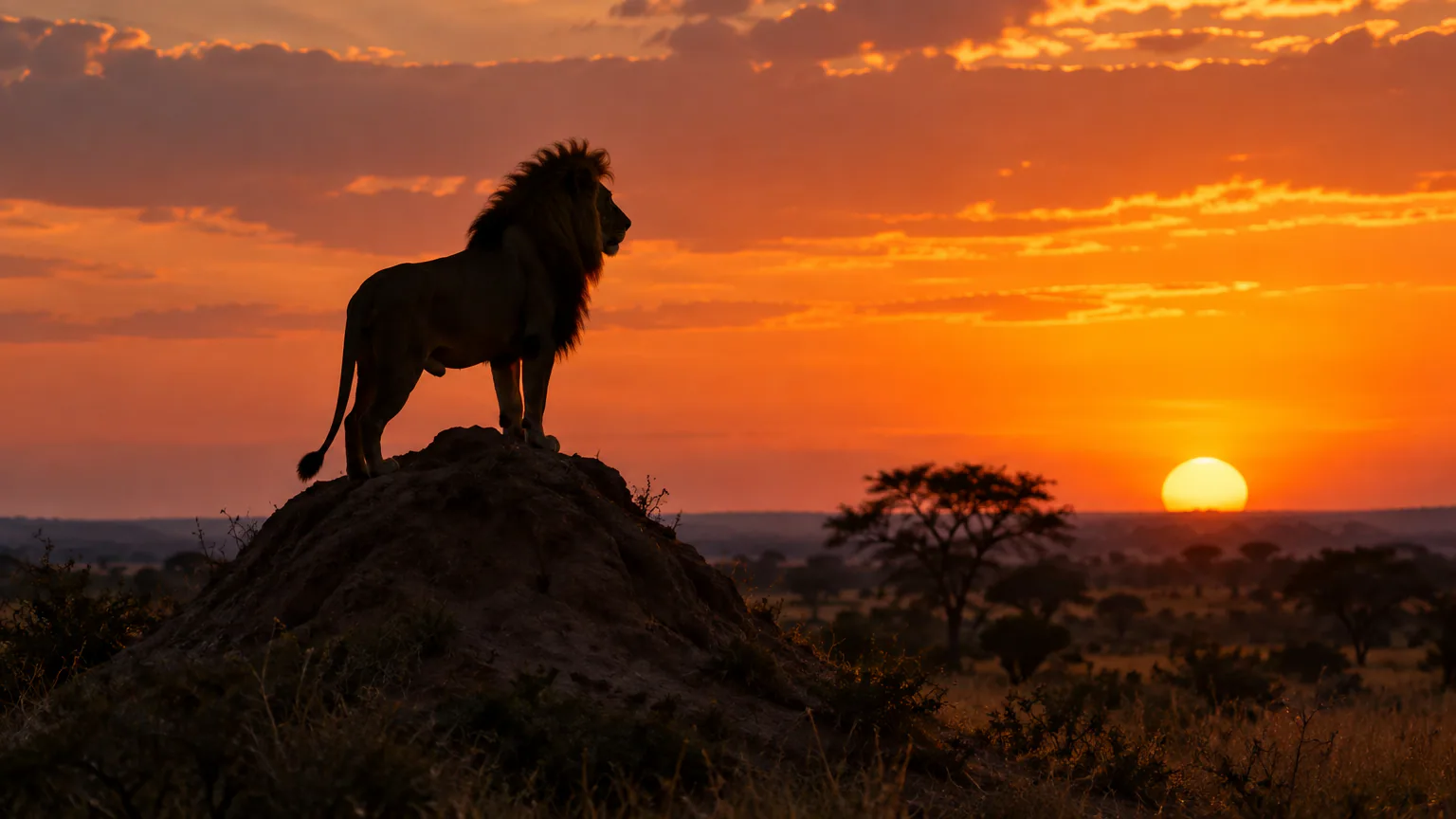
Finally, safari quality depends on season, with June to September usually giving the clearest game-viewing conditions in Kruger because vegetation thins and animals gather near water.
At a glance
South Africa, in brief
South Africa uses the rand, English is widely spoken, plug types are Type M and Type C, and Indian travellers need a visa arranged before departure. Mobile data works best through a local SIM or eSIM, and the time difference from India is about 3.5 hours behind IST.
South Africa.
Planned around you.
- Currency
- South African rand (ZAR)Cards are widely accepted; keep small notes for tips and informal vendors.
- Language
- English is widely used in tourismAfrikaans, isiZulu and other official languages are common locally.
- Plug type
- Type M (three round pins) and Type CCarry a universal adapter; Type M sockets are unusual in India.
- SIM or eSIM
- Local SIM or eSIM recommendedBuy at the airport or through an eSIM provider before departure.
- Time difference
- About 3.5 hours behind India (IST)South Africa observes SAST year-round.
- Emergency number
- 10111 (police), 10177 (ambulance)Save these plus your hotel and embassy contacts offline.
Before You Go to South Africa
Before booking anything, Indian travellers should confirm the current South African visitor visa process, hold six months of passport validity, arrange travel insurance that covers safari activities, and pre-book domestic flights and safari lodges because peak Cape Town and Kruger dates fill early.
Passport with sufficient validity and blank pages
Check validity and blank pages before applying; renew early if needed.
Where to get it: Passport office / South African visa guidanceCommon mistake: Applying with a passport that expires soon or has no blank pages.
South African visitor visa
Apply in advance via the Department of Home Affairs eVisa or designated visa application process; confirm current eligibility and fees.
Where to get it: South African Department of Home Affairs eVisaCommon mistake: Assuming a visa is issued at the airport or port of entry.
Return or onward ticket and accommodation proof
Keep printed and digital copies for the visa file and arrival checks.
Where to get it: Airline and hotel confirmationsCommon mistake: Travelling with only a one-way ticket and no confirmed stay.
Travel insurance covering safari and adventure activities
Confirm cover for game drives, hiking and any adventure activity you plan.
Where to get it: Insurance providerCommon mistake: Buying basic cover that excludes safari or adventure activities.
Forex and cards
Carry a mix of rand cash and international cards; inform your bank of travel dates.
Where to get it: Bank or authorised forex dealerCommon mistake: Relying on a single card and no cash for tips.
Domestic flights and safari bookings
Book Johannesburg, Cape Town, Durban, Gqeberha and Kruger-area connections early for peak dates.
Where to get it: Airlines and safari lodgesCommon mistake: Leaving peak-season safari lodges and Cape Town stays to the last minute.
Useful apps
Download maps, ride-hailing, airline and translation apps before departure.
Where to get it: App storesCommon mistake: Arriving without offline maps for areas with weak signal.
Vaccination and health check
Consult a doctor about routine vaccines and any malaria prophylaxis for safari areas.
Where to get it: Travel clinicCommon mistake: Skipping medical advice because safari areas are assumed risk-free.
The most common mistake is assuming a visa can be arranged on arrival. It cannot. Apply through the South African Department of Home Affairs eVisa or designated visa application process and confirm current eligibility and fees before submission.
A second frequent error is booking international flights before domestic connections and safari dates are locked, which forces expensive changes.
Money and Payments in South Africa
South Africa runs mainly on cards, with rand cash useful for tips, small vendors and some township or roadside stops. ATMs are common in cities and towns, UPI is not accepted, and a local SIM or eSIM plus an offline map app keeps navigation and bookings working.
- Cards first, cash second
Cards are widely accepted in hotels, restaurants and shops. Carry rand cash for tips, small vendors and situations where card machines are offline.
Money - Use bank ATMs in safe locations
Withdraw from ATMs inside airports, malls or banks during daylight. Avoid isolated machines and cover the keypad.
Money - Decline dynamic currency conversion
When a card machine offers to charge in rupees, choose rand instead to avoid a poorer exchange rate.
Money - UPI is not accepted
Plan for cards and rand cash; Indian UPI and many Indian wallets will not work at South African merchants.
Money - Local SIM or eSIM
Buy a local SIM at the airport or set up an eSIM before departure. Coverage is strong in cities and along main routes, weaker inside large reserves.
Connectivity - Offline maps and backups
Download offline maps, save hotel and transfer contacts, and keep a power bank for long safari and drive days.
Connectivity
Use bank ATMs in malls, airports or busy streets rather than isolated machines, and decline dynamic currency conversion so you are charged in rand.
Inform your Indian bank of travel dates to avoid card blocks. For connectivity, airport SIM counters and eSIM providers both work; coverage is strong in cities and along main routes but can drop inside large reserves.
Cultural Tips for South Africa
South African etiquette is relaxed but respectful: dress modestly at religious sites, greet people before asking questions, tip 10-15 percent at restaurants, and ask before photographing individuals or communities. Safari lodges and city restaurants have different dress norms, so pack for both.
- Greet before you ask
A simple hello and how are you goes a long way in shops, lodges and taxis before getting to your request.
Culture - Dress for religious and cultural sites
Cover shoulders and knees at churches, mosques and cultural villages. Safari lodges are casual, but city restaurants can be smart-casual.
Etiquette - Tip 10-15 percent at restaurants
Check whether a service charge is already added. Tip guides, drivers and lodge staff in rand cash.
Tipping - Ask before photographing people
In townships, markets and cultural villages, ask first and respect a no. Buying from a vendor is a better exchange than photographing without permission.
Culture - Keep valuables out of sight
Avoid flashing phones, jewellery or large cash amounts in public areas; this is both etiquette and basic safety.
Etiquette
Tipping is expected for restaurant staff, guides, drivers and lodge staff, and it is normal to tip in rand cash.
In townships and cultural villages, ask before taking photos and consider buying from local vendors rather than only photographing them. Smoking and alcohol rules vary by venue, and public behaviour that is loud or dismissive can come across poorly in smaller towns.
Food Tips for Indian Travellers
South African food ranges from braai and bunny chow to Cape Malay curries, which often suit Indian palates. Vegetarian and Jain-friendly options exist in cities and at lodges, but it is safest to request meals in advance, especially on safari where menus are fixed.
- Nationwide
Braai
South Africa's barbecue style, usually grilled meat with sides. Vegetarian braai options exist but need to be requested.
Best forTrying a local staple
Ask for a vegetarian braai plate if you do not eat meat.
- Durban
Bunny chow
A hollowed bread loaf filled with curry, rooted in Durban's Indian community. Usually meat-based, but vegetarian versions are common.
Best forDurban food culture
Ask for a vegetarian or bean filling if you prefer.
- Cape Town
Cape Malay curry
Spiced curries and stews influenced by Cape Malay cooking, often served with rice and sambals.
Best forSpiced food familiar to Indian palates
Ask about heat level; some versions are mild, others quite spicy.
- Johannesburg and Cape Town
Indian restaurants
Both cities have Indian restaurants serving North and South Indian dishes, useful for travellers who want familiar food.
Best forFamiliar meals in cities
Book ahead on weekends and confirm vegetarian or Jain options.
- Kruger and private reserves
Safari lodge meals
Most lodges serve set menus, often with meat. Vegetarian, vegan and Jain requests are usually possible with advance notice.
Best forSafari travellers with dietary needs
Email the lodge at least a week before arrival with dietary requirements.
Durban has a strong Indian-influenced food culture, and Cape Town's Cape Malay cooking uses spices familiar to Indian travellers. In Johannesburg and Cape Town, Indian restaurants are common.
At safari lodges, tell the property about vegetarian, vegan or Jain requirements before arrival so the kitchen can plan.
Safety in South Africa for Indian Tourists
Popular tourism areas in South Africa are regularly visited, but petty theft, card fraud and opportunistic crime are real risks in cities. Use arranged transfers, avoid displaying valuables, avoid isolated walking after dark, and follow local security advice from your hotel or guide.
- Petty theft and bag snatching in cities
How to avoid itUse arranged transfers, keep bags zipped and in front, avoid displaying phones or jewellery, and avoid isolated walking after dark.
- Card skimming and ATM fraud
How to avoid itUse ATMs inside banks, malls or airports, cover the keypad, and check card machines before entering a PIN.
- Long drives and unfamiliar road rules
How to avoid itPlan driving in daylight, avoid night driving outside cities, and confirm whether your route includes tolls or gravel sections.
- Malaria in some safari areas
How to avoid itConsult a travel clinic about prophylaxis for low-lying reserves, use repellent, and sleep under a net where provided.
- Strong sun and dehydration
How to avoid itCarry water, use high-SPF sunscreen, wear a hat, and pace activities on hot days.
- Wildlife safety in reserves
How to avoid itStay in the vehicle unless your guide says otherwise, keep noise low, and never approach animals on foot.
Health risks include strong sun, long drives and malaria in some low-lying safari areas, so consult a travel clinic about prophylaxis and pack repellent.
Road safety matters on self-drive routes, and wildlife rules in reserves must be followed exactly.
Packing by Season
Packing for South Africa depends on season and region: Cape Town winters are wet and cool, Kruger winters are dry with cold mornings, and summer across the country is hot with afternoon thunderstorms. Layers, sun protection and a warm jacket for game drives cover most trips.
Summer (November-February)
Light breathable clothing, sun hat, high-SPF sunscreen, swimwear, sandals and a light rain jacket for afternoon storms.
Where to get it: Seasonal packing listCommon mistake: Underestimating the sun and packing no hat or sunscreen.
Autumn (March-May)
Layers for warm days and cooler evenings, a light jacket, comfortable walking shoes and a compact umbrella.
Where to get it: Seasonal packing listCommon mistake: Packing only summer clothes for early morning game drives.
Winter (June-August)
Warm jacket, fleece, long trousers, closed shoes, scarf and gloves for cold game-drive mornings; waterproof layer for Cape Town rain.
Where to get it: Seasonal packing listCommon mistake: Assuming Africa is always hot and packing no warm layers.
Spring (September-October)
Layers, light jacket, comfortable shoes and sun protection as days warm up and wildflowers appear in some regions.
Where to get it: Seasonal packing listCommon mistake: Skipping a jacket for cool mornings and evenings.
Safari essentials
Neutral-coloured clothing, binoculars, camera with zoom, insect repellent, refillable water bottle and a small day bag.
Where to get it: Safari packing listCommon mistake: Wearing bright colours or strong perfume on game drives.
Documents and electronics
Passport, visa printouts, insurance, bookings, universal adapter for Type M sockets, power bank and spare charging cables.
Where to get it: Pre-departure checklistCommon mistake: Forgetting a Type M adapter and relying on hotel loan units.
Health kit
Prescription medicines in original packaging, basic first-aid items, oral rehydration salts and any malaria prophylaxis prescribed by a doctor.
Where to get it: Travel clinicCommon mistake: Carrying loose pills without prescriptions or original packaging.
Safari days start early and can be cold even in summer, so pack a fleece or windproof jacket, neutral-coloured clothing, closed shoes and a hat.
Cape Town summer can be windy, and winter rain makes a waterproof layer essential. Bring a universal adapter for Type M sockets and any prescription medicines in original packaging.
Holiday ideas to start from
Reviewed itineraries for this destination — personalise with a specialist, never an instant booking.
Kruger Wildlife Stay 5 Nights: South Africa Wildlife Tour Package 2026
From₹1,20,000per adult, twin sharing, land only
From idea to itinerary, with a real person.
- Share your plan
Dates, departure city, travellers and the moments you’d love. It only takes a minute.
- Shape it with a specialist
A real person refines the route, stays and pace with you. Change anything.
- Review your quote
A clear, personalised quote with confirmed inclusions. No payment to enquire.
From our travel specialists
What our team sees when planning these trips, beyond what the guidebooks say.
Confirmed 11 Oct 2026
Travellers from India commonly report underestimating South Africa’s distances, the cost of domestic flights and longer taxi rides, and the need to plan safari logistics carefully. They also advise preparing for early-morning game drives, carrying sunscreen, hats, water and snacks, and following city-safety precautions such as using reliable taxis and avoiding walking alone at night.
- Practical
For Indian travellers, local transport costs are a notable surprise: domestic flights and longer taxi rides can feel expensive even when dining out and hotels offer good value. Cards are widely accepted, but travellers are advised to keep some South African rand and use reliable ride services such as Uber, especially in cities and after dark.
Before you go
Straight answers to help you plan — then personalise the trip with a specialist.
8 answered belowAsk a specialist anything about this trip — there’s no obligation.
Ask a specialistDo Indians need a visa for South Africa?
Yes. Indian ordinary passport holders must obtain a South African visitor visa before travel; visas are not issued on arrival. Apply through the South African Department of Home Affairs eVisa or designated visa application process, and confirm current eligibility, fees and document requirements before submitting your application.
What is the best time to visit South Africa?
May to September is best for Kruger safari viewing because vegetation thins and animals gather near water. September to November is strong for a combined safari, whale and spring itinerary. Cape Town is popular in the drier summer months, while winter brings rain and cooler temperatures to the Western Cape.
How much does a South Africa tour package cost from India?
A land-only twin-sharing package is typically about INR 95,000 budget, INR 145,000 standard, INR 230,000 premium or INR 450,000 luxury per person, excluding international airfare and visa costs. These are indicative planning ranges, not confirmed Tripstor offers, and peak safari or Cape Town dates can push costs higher.
How many days are enough for South Africa?
Seven days works for Cape Town, Johannesburg and a short safari. Ten to fourteen days is better for adding the Garden Route, Winelands or Durban. Domestic flights between Johannesburg, Cape Town, Durban, Gqeberha and Kruger-area airports make multi-region itineraries practical without long drives.
Is South Africa safe for Indian tourists?
Popular tourism areas are regularly visited, but travellers should use arranged transfers, avoid displaying valuables, avoid isolated walking after dark and follow local security advice. Petty theft and card fraud are the main risks in cities. No destination is risk-free, so stay alert and keep emergency numbers saved offline.
Which places should I visit in South Africa?
A first itinerary usually combines Cape Town, Kruger National Park and Johannesburg, with Stellenbosch, Hermanus or the Garden Route as add-ons. Durban suits travellers interested in Indian-influenced food culture. Domestic flights connect these regions, and safari reserves normally include guided game drives and lodge transfers.
Is South Africa expensive to visit?
It can be moderate outside peak periods, but safari lodges, private guides, domestic flights and peak Cape Town accommodation can raise costs substantially. A land-only twin-sharing package typically ranges from about INR 95,000 budget to INR 450,000 luxury per person, excluding international airfare and visa costs.
Can I see the Big Five in South Africa?
Yes, Kruger and private reserves such as Sabi Sand support all Big Five species, but sightings are never guaranteed. June to September usually provides the clearest game-viewing conditions in Kruger because vegetation is thinner and animals gather near water. Book guided game drives through your lodge or reserve.