
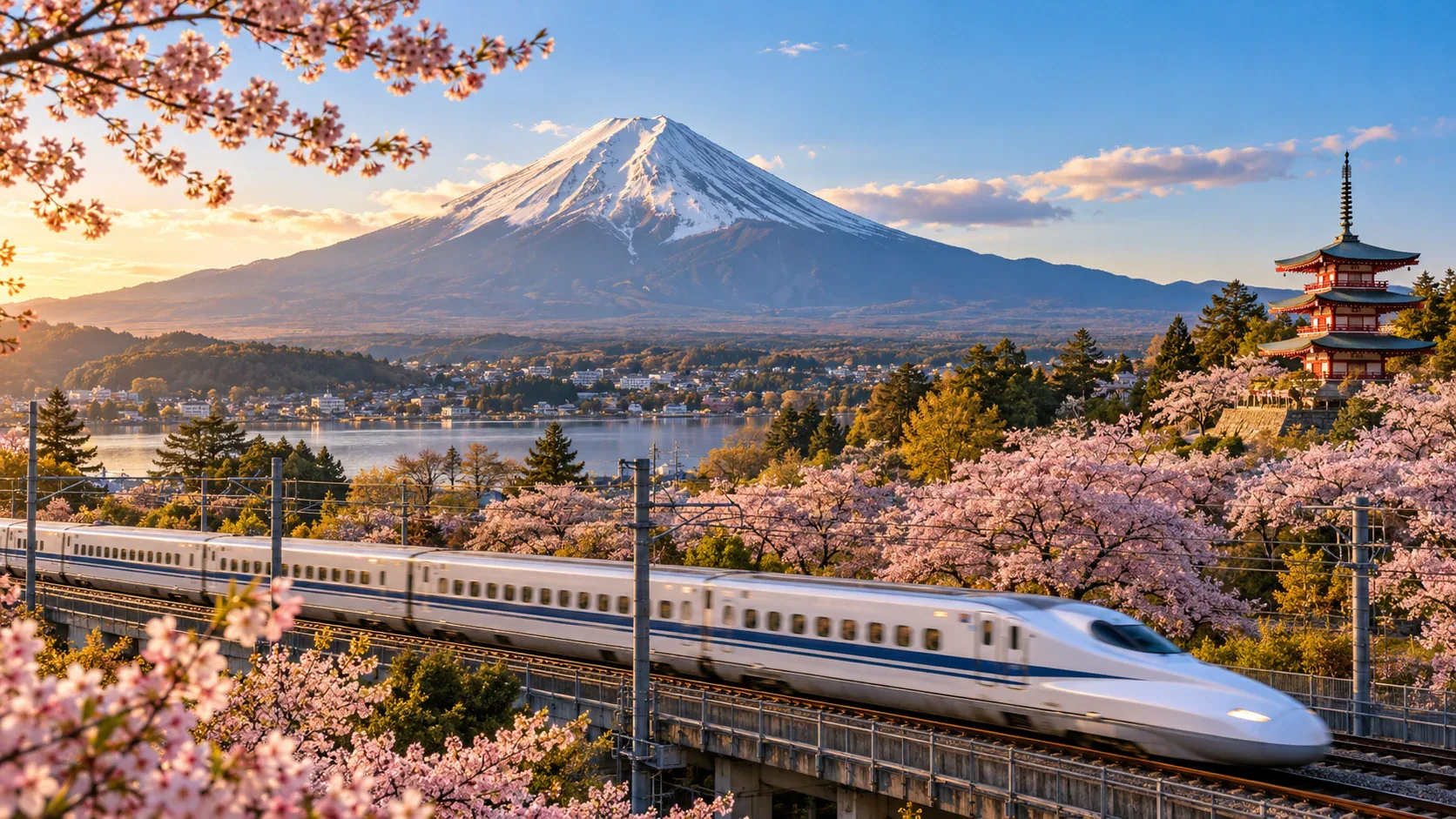
What Is the Best Time to Visit Japan?
The best time to visit Japan is spring (March-May) and autumn (October-November), when Tokyo averages 14-24°C with moderate rain. Shoulder months April and November balance weather with crowds. Avoid mid-June to early July for rainy season and September for peak typhoon risk, unless you plan around indoor cities.
Japan's climate runs roughly 3,000 km from Hokkaido's snow country to Okinawa's subtropics, so no single month suits every region. For a first trip covering Tokyo, Kyoto and Osaka, March to May and October to November give the most comfortable sightseeing weather. Tokyo's March average is 14°C maximum and 6°C minimum with 116 mm rainfall; May improves to 24°C maximum and 14°C minimum with 140 mm. October is warm at 22°C maximum but wet at 235 mm, while November cools to 17°C maximum with 96 mm and clearer skies.
Shoulder months work well for Indian travellers who want lower hotel rates and thinner crowds. Late January and February are cool and relatively dry in Tokyo (10-11°C maximum, 57-60 mm rainfall), good for urban sightseeing and ski resorts. Late September can improve after the wettest weeks. The months to treat with caution are June (168 mm rain, 75% humidity), September (225 mm, typhoon risk) and the Golden Week window in late April to early May, when domestic travel surges.
Japan Month-by-Month Weather Guide
Japan weather month by month swings from 2°C Tokyo nights in January to 31°C August highs with 155 mm rain. March-May and October-November rate best for general travel; June and September rate fair because of rain and typhoons; January and February suit snow and city trips on lower budgets.
January
Good time to go10°C max, 2°C min, 60 mm rain, 52% humidity
Cool, dry city sightseeing and ski season; short daylight hours.
February
Good time to go11°C max, 3°C min, 57 mm rain, 52% humidity
Quiet, dry and suitable for cities, winter scenery and snow regions.
March
Best time to go14°C max, 6°C min, 116 mm rain, 59% humidity
Mild but changeable; cherry blossoms begin in southern and urban areas.
April
Best time to go19°C max, 9°C min, 134 mm rain, 63% humidity
Excellent sightseeing; cherry-blossom dates vary by region and sell quickly.
May
Best time to go24°C max, 14°C min, 140 mm rain, 66% humidity
Warm and comfortable before the rainy season; strong all-round month.
June
Shoulder season26°C max, 19°C min, 168 mm rain, 75% humidity
Rainy season commonly begins; humid with frequent rain but sightseeing continues.
July
Shoulder season30°C max, 23°C min, 156 mm rain, 77% humidity
Hot and humid; festivals and mountain travel appeal, midday sightseeing tires.
August
Shoulder season31°C max, 24°C min, 155 mm rain, 76% humidity
Hot, humid and busy around Obon; typhoon risk rises later in the month.
September
Shoulder season28°C max, 21°C min, 225 mm rain, 75% humidity
Warm and wet with elevated typhoon risk; late September can improve.
October
Good time to go22°C max, 15°C min, 235 mm rain, 68% humidity
Comfortable temperatures, autumn colour in northern areas, substantial rain.
November
Best time to go17°C max, 9°C min, 96 mm rain, 62% humidity
Cool, often clear and excellent for autumn foliage in Kyoto and Tokyo.
December
Good time to go12°C max, 5°C min, 58 mm rain, 55% humidity
Cool and relatively dry; illuminations, Christmas travel and ski season begin.
- BestMar, Apr, May, Nov
- GoodJan, Feb, Oct, Dec
- FairJun, Jul, Aug, Sep
Use the table below as a planning baseline for Tokyo, the city most Indian itineraries start with. Regional variation matters: Hokkaido runs cooler and snowier, while Kyushu and Okinawa are warmer and wetter. Ratings reflect general sightseeing comfort, not any single interest such as skiing or cherry blossoms.
Peak Season in Japan vs Shoulder and Off-Season
Japan peak season runs late March to early May and October to November, when cherry blossoms and autumn foliage push hotel rates and Shinkansen seats up. Shoulder months January-February and May-June offer lower prices. Off-season June and September bring rainy-season and typhoon trade-offs with the thinnest crowds.
Peak season (late March-May, October-November)
Best forFirst-time visitors, photographers and honeymooners chasing cherry blossoms or autumn colour
StrengthsBest sightseeing temperatures, 14-24°C in Tokyo, clear autumn skies, festivals and illuminations
Trade-offsHighest hotel and flight demand, crowded Kyoto and Tokyo attractions, Shinkansen seats sell out
Shoulder season (January-February, May, December)
Best forBudget-conscious travellers, city sightseeing and ski trips
StrengthsLower rates, thinner crowds, dry Tokyo days at 10-12°C maximum, ski season in Hokkaido and Nagano
Trade-offsCold nights, short daylight, some mountain roads and outdoor attractions limited by snow
Off-season and monsoon (June-September)
Best forFlexible travellers, festival-goers and mountain hikers
StrengthsLowest accommodation prices, lush scenery, Gion Matsuri and Obon festivals, fewer queues
Trade-offs168-225 mm monthly rain, 75-77% humidity, typhoon risk in August-September, tiring midday heat
Peak, shoulder and off-season each suit different travellers. Peak season delivers the postcard scenery but demands early booking. Shoulder months keep cities walkable at lower cost. Off-season rewards flexible travellers who accept rain and heat in exchange for availability.
At a glance
Japan, in brief
Honeymooners should target April or November for mild weather and scenery; families do best in May or October when schools are in session and temperatures stay under 24°C. Budget travellers gain from January-February and June. Adventure travellers pick January for skiing or July-August for mountain hiking.
Japan.
Planned around you.
- Honeymoon
- April and NovemberMild 17-19°C days, cherry blossoms or autumn colour, ryokan stays in Hakone and Kyoto
- Family
- May and OctoberWarm but not extreme, school holidays avoid Golden Week and Obon crowds
- Budget
- January, February and JuneLowest hotel demand outside peak; June rain keeps prices down
- Adventure
- January for skiing, July-August for hikingHokkaido and Nagano snow season; Japanese Alps trails open in summer
- Sightseeing and photography
- March-April and NovemberCherry blossoms and autumn foliage; expect high crowds and prices
Festivals and Events Worth Timing a Trip Around
Japan's festival calendar rewards timing: cherry-blossom season in late March to early April, Golden Week in late April to early May, Gion Matsuri in Kyoto in July, Obon in mid-August and autumn foliage in November. Each brings crowds, so book transport and hotels well ahead.
- Tokyo, Kyoto, Osaka and southern regions
Cherry-blossom season
Late March to early April bloom draws domestic and international travellers; dates vary by region and year.
Best forPhotography, honeymoons and first trips
Book hotels three to six months ahead and track regional bloom forecasts.
- Nationwide
Golden Week
Late April to early May cluster of public holidays creates Japan's busiest domestic travel window.
Best forTravellers who want festival energy and accept crowds
Reserve Shinkansen seats and popular ryokan as soon as dates open.
- Kyoto
Gion Matsuri
July festival with processions and street stalls; one of Japan's best-known summer events.
Best forCulture-focused travellers
Stay within walking distance of central Kyoto to avoid packed buses.
- Nationwide
Obon
Mid-August period when families travel; transport and hotels fill quickly.
Best forTravellers interested in Japanese family traditions
Avoid long-distance moves during the peak Obon days if possible.
- Kyoto, Tokyo and northern regions
Autumn foliage season
November colour peaks in Kyoto and Tokyo; northern areas turn earlier in October.
Best forPhotography and sightseeing
Book Kyoto accommodation early and use early-morning temple visits.
Festivals shape both atmosphere and logistics. The list below names events travellers commonly plan around, with their usual month. Dates shift yearly, so confirm locally before locking flights.
Weather Risks and How to Plan Around Them
Japan's main weather risks are the June-July rainy season, typhoons in August-September, summer heat and humidity above 75%, winter snow in Hokkaido and heavy October rain in Tokyo. Each has a practical fix: flexible dates, indoor backups, rail-friendly routes and layered clothing.
- Rainy season from June into July brings 168 mm monthly rain in Tokyo and 75% humidity.
How to avoid itShift city sightseeing to mornings, carry a compact umbrella and plan museum or shopping backups.
- Typhoon risk peaks in August and September, with September rainfall at 225 mm.
How to avoid itBuy travel insurance that covers weather disruption and keep one flexible day in the itinerary.
- Summer heat in July-August reaches 30-31°C maximum with 76-77% humidity.
How to avoid itStart sightseeing before 9 am, rest indoors from noon to 3 pm and hydrate frequently.
- Winter snow in Hokkaido and mountain areas can close roads and trails.
How to avoid itUse rail instead of self-drive in snow regions and check local access before day trips.
- October in Tokyo is warm but wet at 235 mm rainfall.
How to avoid itPair outdoor plans with covered arcades, department stores and indoor attractions.
Weather risk in Japan is manageable with the right timing and backups. The warnings below cover the issues most likely to affect an Indian traveller's itinerary.
Booking and Packing by Season
Book peak-season Japan flights and hotels three to six months ahead, especially for late March to early April and November. Shoulder months allow two to three months' lead time. Pack layers for spring and autumn, rain gear for June and September, and warm clothing for December to February.
- Book cherry-blossom and autumn trips early
For late March to early April and November, reserve flights from Delhi or Mumbai and Tokyo or Kyoto hotels three to six months ahead; ryokan and popular Shinkansen seats sell out first.
Booking - Use shoulder months for value
January, February and June offer lower hotel rates and easier availability; book two to three months ahead for good fares.
Booking - Pack layers for spring and autumn
March-May and October-November swing between 9°C and 24°C in Tokyo; carry a light jacket, comfortable walking shoes and a compact umbrella.
Packing - Prepare for summer heat and rain
June-September humidity reaches 75-77%; pack breathable clothing, a rain jacket, sunscreen and a refillable water bottle.
Packing - Carry winter essentials for December-February
Tokyo nights fall to 2-5°C; add thermals, a warm coat, gloves and moisturiser for dry indoor heating.
Packing - Reserve experiences alongside hotels
Universal Studios, Disney entry products and sought-after restaurants need advance booking during Golden Week, Obon and foliage season.
Booking
Booking windows and packing lists shift with the season. The tips below cover flights from India, hotel timing and what to carry for each travel window.
Holiday ideas to start from
Reviewed itineraries for this destination — personalise with a specialist, never an instant booking.
Tokyo Kyoto Osaka Premium 7 Nights: 2026 Luxury Japan Itinerary
From₹2,51,100per adult, twin sharing, land only
From idea to itinerary, with a real person.
- Share your plan
Dates, departure city, travellers and the moments you’d love. It only takes a minute.
- Shape it with a specialist
A real person refines the route, stays and pace with you. Change anything.
- Review your quote
A clear, personalised quote with confirmed inclusions. No payment to enquire.
From our travel specialists
What our team sees when planning these trips, beyond what the guidebooks say.
Confirmed 11 Oct 2026
Cash is the most repeatedly reported issue: Japan accepts cards widely but small restaurants, shrines, rural transport and lockers may still require yen and coins. Travellers also mention that Japan can be expensive, particularly hotels, taxis and airport transfers, while an IC card such as Suica or Pasmo makes urban transport easier.
Late March and April are often underestimated: cherry blossoms bring Japan’s biggest crowds, higher hotel prices and strong demand for trains and attractions. Autumn foliage in October and November is also busy, while January, February and parts of June are generally less expensive but colder or less scenic.
Families learn that Tokyo Disney and teamLab each need substantial time and energy, that three or four key stops per day is more realistic with children, and that Ghibli Museum or Disney reservations must be made early. Couples learn that a seven-day plan covering Tokyo, Kyoto, Osaka, Nara and Hiroshima is overly rushed; late May, October, November or February can offer a less pressured alternative to peak sakura travel.
Travellers often add extra time for Kyoto or Osaka, simplify a rushed multi-city plan, and change transport plans after discovering that local subways and private lines can be more useful than a JR Pass within cities. Families also tend to reduce the number of daily stops after experiencing Japan’s walking and transfer times.
Before you go
Straight answers to help you plan — then personalise the trip with a specialist.
8 answered belowAsk a specialist anything about this trip — there’s no obligation.
Ask a specialistWhat is the best month to visit Japan for first-time visitors?
April and November are the strongest first-trip months. April brings 19°C Tokyo days and cherry blossoms, while November offers 17°C days and autumn foliage in Kyoto and Tokyo. Both are peak season, so book flights and hotels three to six months ahead to secure reasonable rates.
When is Japan's peak season and how crowded does it get?
Japan peak season runs late March to early May and October to November. Cherry-blossom and autumn-foliage travel pushes Tokyo and Kyoto hotels to their highest rates, and Shinkansen seats plus popular ryokan sell out. Golden Week in late April to early May adds heavy domestic travel on top.
What is Japan weather month by month like in Tokyo?
Tokyo ranges from 10°C maximum and 2°C minimum in January with 60 mm rain, to 31°C maximum and 24°C minimum in August with 155 mm rain. June and September are wettest at 168 mm and 225 mm. May and November balance comfortable temperatures with lower rainfall.
When should I avoid travelling to Japan?
Treat mid-June to early July and September with caution. June brings 168 mm rain and 75% humidity, while September combines 225 mm rain with peak typhoon risk. Golden Week in late April to early May is best avoided if you dislike crowds, since domestic travel surges nationwide.
Is Japan good for a honeymoon and which months suit couples?
Japan suits honeymooners who want ryokan stays, scenic rail travel and fine dining. April and November give the best combination of mild 17-19°C days and seasonal scenery. Hakone and Kyoto ryokan book out early in these months, so reserve accommodation well before flights.
How much does a Japan tour package cost from India?
Indicative land-only twin-sharing packages start around ₹95,000 per person at budget level, ₹145,000 standard, ₹230,000 premium and ₹425,000 luxury, excluding or varying by airfare and inclusions. These are planning ranges, not confirmed Tripstor offers, and peak-season dates cost more.
Do Indian citizens need a visa for Japan and when should they apply?
Indian ordinary passport holders generally need a Japanese visa before travel; visa on arrival is not generally available. Apply through the designated visa centre well before departure, and check current document requirements on official Japanese embassy or consulate pages, since rules can change.
What should I pack for Japan in different seasons?
Pack layers and a light jacket for March-May and October-November, when Tokyo swings between 9°C and 24°C. June-September needs breathable clothing, rain gear and sunscreen for 75-77% humidity. December-February calls for thermals, a warm coat and gloves as nights drop to 2-5°C.